
Loading...
Serving Clinton, IA and surrounding areas. (563) 206-5767
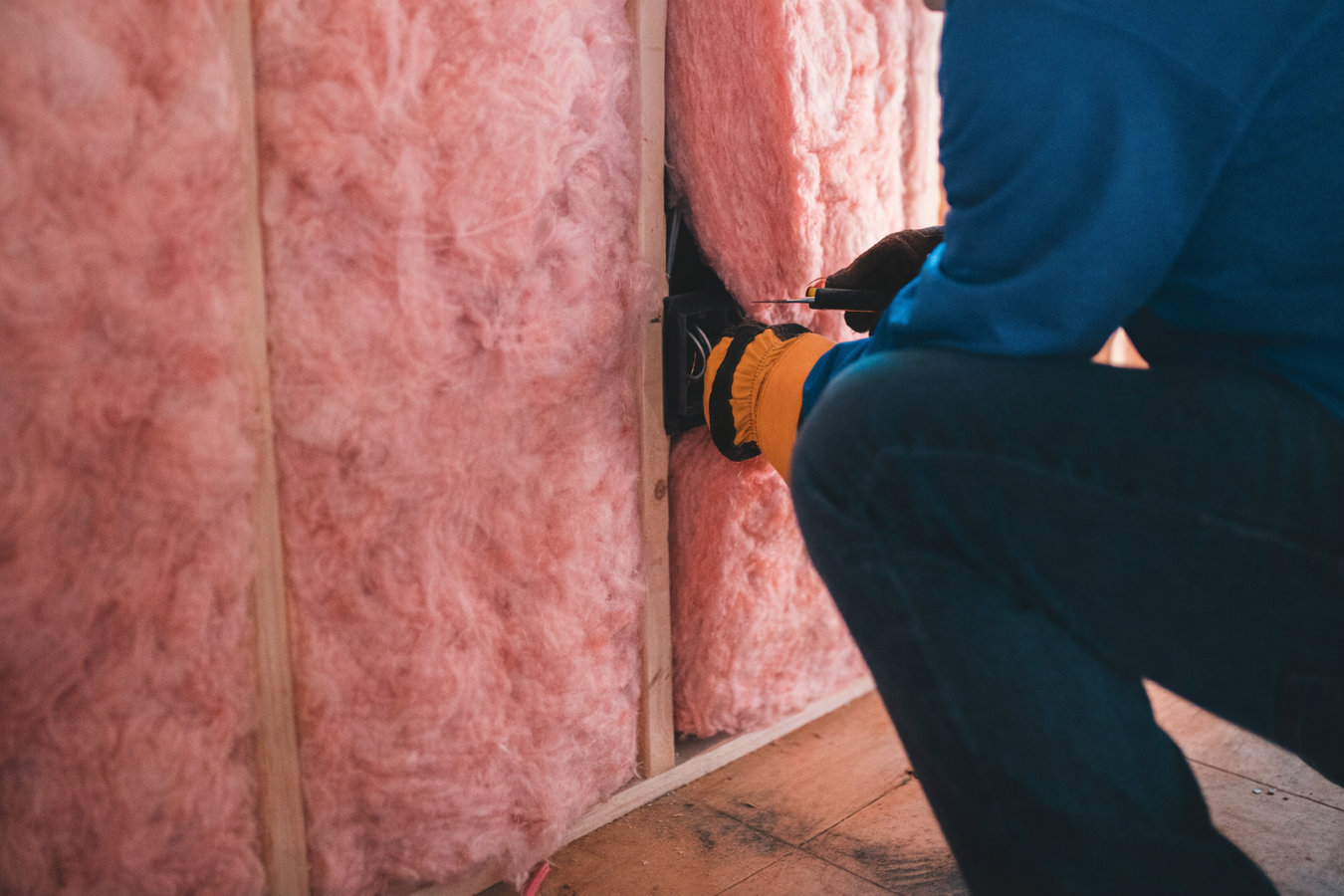
A poorly insulated attic is where most heating dollars escape in a Clinton winter. We assess what you have, air seal before we insulate, and add the right amount so your home holds heat all season.
Attic insulation in Clinton, IA acts as a thermal blanket between your living space and the outdoors - most standard projects adding blown-in or batt material take a single day to complete. Without enough insulation, your furnace and air conditioner work harder than they should, and you pay for it every month.
Clinton is in Iowa climate zone 6, one of the colder designations in the continental U.S., with average January lows hovering around 10 to 15 degrees. Homes in this area need more insulation depth than most national averages suggest. Many of the older homes in Clinton were built before modern insulation standards existed, and whatever was installed decades ago has often settled or compressed. If your home was built before 1980, the insulation in your attic is very likely below what the U.S. Department of Energy recommends for this climate zone.
Attic work pairs naturally with our blown-in insulation service, which uses the same truck-mounted equipment to fill hard-to-reach spaces. We also recommend pairing any attic insulation project with attic air sealing - closing gaps around fixtures and framing before adding insulation is the step most contractors skip, and it makes a significant difference in results.
If your gas or electric bill spikes every November and stays high through March, your attic is likely where the heat is going. Clinton winters are long and cold, and a poorly insulated attic can account for a significant share of your home's heat loss. Bills that feel out of proportion to your home's size are a clear signal worth investigating.
When certain bedrooms or the top floor feel cold no matter how high you set the thermostat, it often points to inadequate insulation above those spaces. Heat rises and escapes through the attic, so rooms directly below an under-insulated attic are the first to feel it. This is especially common in Clinton's older two-story homes.
Ice dams - the ridges of ice that build up along roof edges after a snowfall - are a classic sign that heat is escaping through your attic and melting snow unevenly. Clinton gets enough winter precipitation and freeze-thaw cycles that ice dams are a real concern. They can damage your roof, gutters, and ceilings if left unaddressed.
If you can safely peek into your attic and the insulation looks compressed or less than about 10 inches deep, it is likely not doing its job. Insulation that has been walked on, gotten wet, or aged loses its ability to hold heat. Dark streaks in older insulation can indicate air has been moving through it rather than being blocked by it.
Every attic insulation project starts with a physical assessment - we measure what is already there, check for moisture or pest damage, look at ventilation, and identify any gaps that need to be sealed before insulation goes in. Skipping the air sealing step is one of the most common shortcuts in this industry, and it limits how much the insulation actually helps. We always seal first, then insulate. Our blown-in insulation option is well-suited for existing attics because loose-fill material fills odd-shaped cavities and settles evenly around obstructions like plumbing and wiring. For attics with accessible joist bays, batt insulation is a reliable option that installs quickly and holds its R-value well when kept dry.
We also offer dedicated attic air sealing as a standalone service for homeowners who already have adequate insulation depth but are still losing heat through bypasses around fixtures and framing. After any project, we walk you through what was done and provide documentation that supports MidAmerican Energy rebate and federal tax credit applications.
Ideal for existing attics - fills gaps and odd-shaped spaces completely and adds depth over original material without requiring removal.
A reliable choice for accessible attic joist bays - installs cleanly and holds R-value well in dry, ventilated attics.
Closes gaps around fixtures, pipes, and framing before insulation goes in - the step that separates a good job from a great one.
When existing material is water-damaged, contaminated, or simply too degraded to be useful, we remove it cleanly before starting fresh.
Clinton sits along the Mississippi River in one of Iowa's colder climate zones. Average January lows hover around 10 to 15 degrees, and your attic is doing heavy lifting for five or more months of the year. Homes with thin or aging insulation here do not just feel drafty - they run up heating bills that can be hundreds of dollars higher than they need to be each winter. That is especially true in the older neighborhoods near downtown and the riverfront, where homes from the early 1900s were built with minimal insulation by any modern standard. Homeowners in Camanche and Maquoketa face the same climate and housing-stock conditions - our team works across the full region.
Clinton's location on the Mississippi also means consistently higher summer humidity than inland Iowa. Moisture is one of the main enemies of attic insulation - when humid air gets into an attic that is not properly sealed and ventilated, it can dampen insulation and reduce its effectiveness over time. A proper assessment before installation accounts for moisture and ventilation conditions, not just insulation depth. For guidance on recommended R-values for Iowa's climate zone, the ENERGY STAR insulation guidelines are a reliable reference.
We will ask the age of your home, whether you have noticed comfort or bill issues, and what you know about your current attic. We respond within 1 business day to schedule your free in-home visit - no obligation to move forward.
A technician visits, measures what is in your attic, checks for moisture or pest damage, inspects ventilation, and identifies any bypasses that need air sealing. The visit typically takes 30 to 45 minutes. You get a written estimate before anything is scheduled.
Clear a path to your attic access and move any stored items if asked. For most standard projects in Clinton, no permit is required - work can usually be scheduled quickly. We confirm everything with you before the crew arrives.
The crew air seals any bypasses first, then installs the insulation. Most Clinton homes are done in three to six hours. When finished, they clean up around the access area and walk you through what was done, including documentation for rebate applications.
We respond within 1 business day. No obligation after a free estimate - just an honest look at your attic and a written quote for what it will take to fix it. Submit your request and someone from our office will call to set up your free visit.
(563) 206-5767Closing gaps around light fixtures, pipes, and framing before adding insulation is the step most contractors skip. We always perform this step first because insulation without air sealing delivers noticeably less benefit - especially in older Clinton homes with multiple bypass points.
Clinton's older housing stock requires a different approach than newer construction. We assess existing conditions - including older wiring, moisture, and ventilation - before recommending a solution. You will not get a one-size-fits-all quote from us.
MidAmerican Energy rebates and the federal energy efficiency tax credit can meaningfully reduce your out-of-pocket cost. We document every project in a way that supports both applications - so you are not leaving money on the table after the work is done.
We use insulation materials that meet the standards set by the North American Insulation Manufacturers Association. That means materials vetted by the industry's own standards body - not just whatever happens to be on the truck.
A properly insulated attic lasts 20 to 30 years or more when installed correctly and kept dry. We take the time upfront to make sure the conditions are right, the bypasses are sealed, and the depth is adequate - so the work holds up for the long term.
The loose-fill method used to top up existing attics and fill wall cavities - fast, effective, and ideal for older Clinton homes with irregular framing.
Learn MoreClose the gaps around fixtures, pipes, and framing that let conditioned air escape - the critical first step before any insulation is added.
Learn MoreCall or submit your request now - we respond within 1 business day and can often schedule your visit within the week.