
Loading...
Serving Clinton, IA and surrounding areas. (563) 206-5767
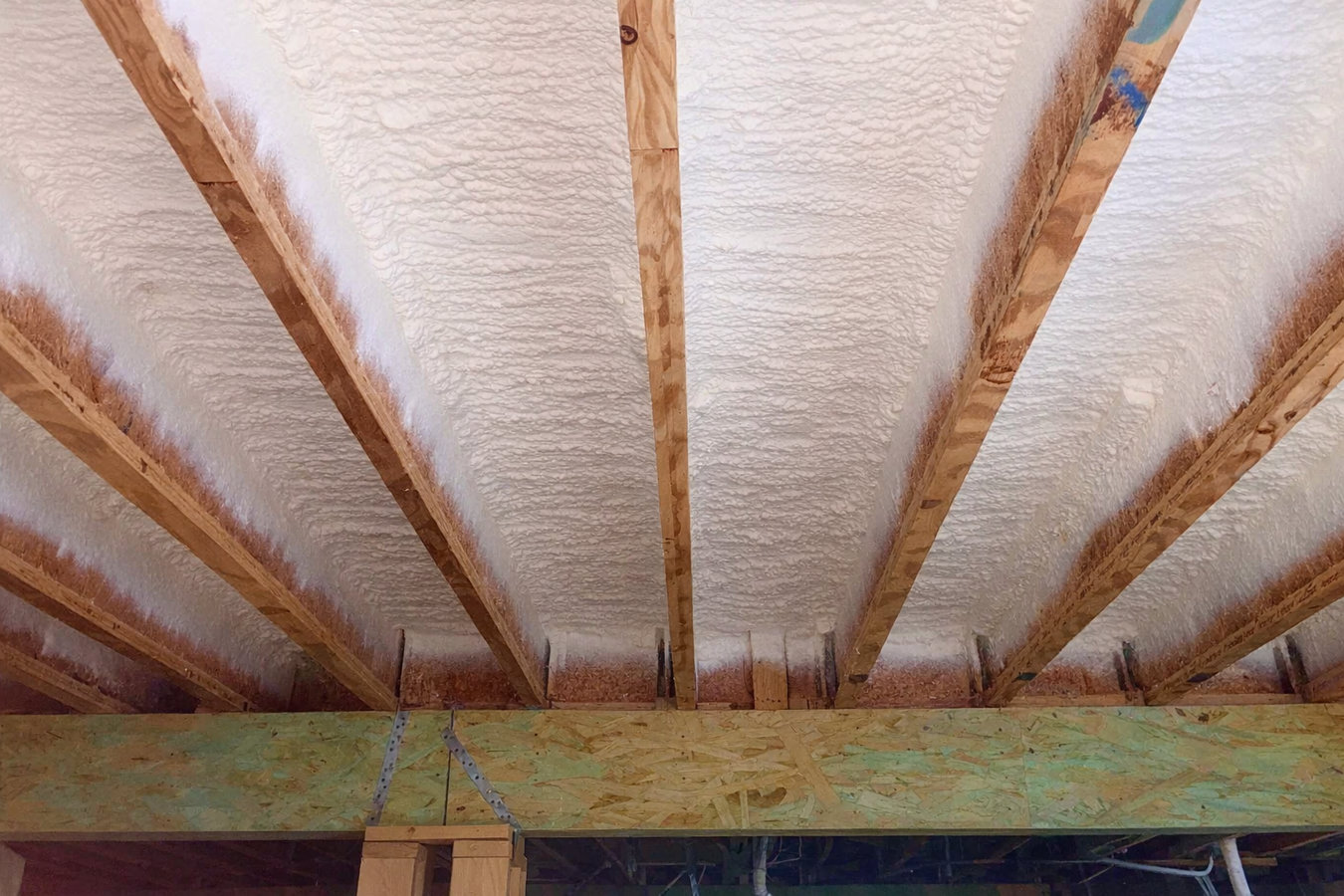
Cold floors and rising heating bills are signs your crawl space is letting the outside in. We insulate and vapor-seal it so your home holds heat the way it should - even through a Clinton winter.
Crawl space insulation in Clinton, IA creates a thermal barrier between the cold ground and your living floors, stopping heat loss from below, with most jobs completed in one to two days and the space left with insulation, a vapor barrier, and any needed air sealing fully in place.
Without proper insulation below, cold air and moisture from the ground seep upward into your home. The result is cold floors in winter, higher heating bills, and - over time - moisture damage to the wood framing underneath your house. Many Clinton homeowners don't realize how much heat they're losing through an uninsulated crawl space until they see the difference after a proper installation.
In most older Clinton homes, a vapor barrier is just as important as the insulation itself. Moisture rising from the ground is one of the biggest long-term threats to your floor structure and your air quality. We typically pair crawl space work with a crawl space vapor barrier installation so both problems are addressed at once.
If you walk across your kitchen or living room in January and the floor feels noticeably cold through your socks, that is a strong sign that cold air from below is winning the battle. In Clinton's winters, this is one of the most common complaints - and it almost always traces back to an uninsulated or poorly insulated crawl space beneath the floor.
A persistent musty odor coming from floor registers or the lower level of your home often means moisture is building up in the crawl space below. Given Clinton's proximity to the Mississippi River and its humid summers, ground moisture in crawl spaces is a real and common problem here - and that smell is your home's way of telling you something needs attention.
If your gas or electric bills have been climbing but your usage habits haven't changed, heat loss through an uninsulated crawl space could be a significant contributor. This is especially worth investigating in older Clinton homes, where the crawl space may never have been properly insulated in the first place.
Take a quick look through your crawl space access door with a flashlight. If you see insulation hanging down, fallen to the ground, or missing in sections, it is no longer doing its job. Gaps where outside air can enter are also a red flag - in a Clinton winter, that is essentially a hole in your home's thermal envelope.
We offer two main approaches to crawl space insulation, and the right one depends on your home's specific setup. The first approach insulates the floor joists above the crawl space, keeping the crawl space itself cold and vented - this works well in homes without ductwork running through the space. The second approach seals and insulates the crawl space walls, bringing the entire space inside your home's thermal envelope - this is usually the better choice when heating and cooling ducts run through the crawl space, as it prevents significant duct heat loss before air reaches your rooms.
Every crawl space job includes a ground vapor barrier as a baseline - particularly important in Clinton given the high water table and Mississippi River moisture. We also pair crawl space insulation with wall insulation in homes where both areas are underperforming, and we offer a crawl space vapor barrier as a standalone service for homes that have insulation but no moisture protection in place.
Best suited to homes without ductwork in the crawl space, where insulating above keeps heat in the living area while the crawl space stays vented.
The right choice when ducts run through the crawl space - sealing and insulating the walls keeps conditioned air from losing heat before it reaches your rooms.
Included with every full crawl space job - a continuous ground cover that blocks moisture from rising into your framing and insulation.
Clinton's location on the Mississippi River creates moisture conditions that are more demanding than inland Iowa communities. The water table is high year-round, humid summers push ground moisture upward into crawl spaces, and the repeated freeze-thaw cycles of eastern Iowa's winters add additional stress to foundations and framing. A vapor barrier is not optional in this environment - it is a baseline requirement for any crawl space insulation job done correctly here. According to the ENERGY STAR program, crawl spaces are one of the most common sources of moisture problems and energy loss in older homes, making proper insulation and sealing a high-priority fix.
Clinton's housing stock skews older, with a large share of homes built before the 1980s when crawl space insulation standards were minimal or nonexistent. Many of these homes have either no insulation at all, or original material that has deteriorated over decades. We work throughout Clinton and into surrounding communities including Camanche and DeWitt, where the same age and moisture conditions apply. Late summer through early fall is the best time to schedule - before the ground freezes and before heating season puts maximum pressure on your home.
We ask a few basic questions - the size of your home, whether you have had moisture issues, and what is currently in the crawl space. We reply within one business day and schedule an in-person estimate at no cost to you.
We access your crawl space through the hatch and inspect the current insulation, moisture levels, the ground surface, and the condition of the framing. This takes 30 to 60 minutes, and we explain what we found in plain terms before quoting anything.
Your estimate specifies the insulation type, vapor barrier, any air sealing, and total cost. We flag whether the quote includes debris removal and ask whether you are getting multiple estimates - so you can compare apples to apples.
The crew installs insulation and the vapor barrier over one to two days. We clean up as we go, remove old materials, and walk you through the completed work - or show you photos - before leaving the job site.
We assess crawl spaces in person before quoting anything. Call or submit the form below and we will get back to you within one business day.
(563) 206-5767We document every crawl space project and coordinate any permit the work requires. You get a free written estimate up front and a clear record of what was done - so you have real accountability if a question ever comes up.
Anyone who gives you a firm price over the phone without seeing your crawl space is guessing. We inspect the space in person before providing a written estimate - that is the only way to accurately scope the work and avoid surprises once the job starts.
In Clinton's high-moisture environment, insulating without a ground vapor barrier is an incomplete job. We include vapor barrier installation as a standard part of every full crawl space project - not as an upsell that shows up on a revised quote.
We follow installation guidelines published by the Insulation Institute, which cover proper vapor barrier overlap, insulation fit, and access hatch sealing. Visible gaps, sagging batts, or an unsealed hatch are signs of a job not done to standard - none of which you will find when we finish.
The crawl space is out of sight, which makes it easy for a contractor to cut corners. We document the work and walk you through what was done so you are not left wondering whether the job was actually completed the way it should have been.
If your crawl space is addressed but your walls are still letting heat escape, wall insulation is the natural next upgrade for whole-home thermal performance.
Learn MoreAlready have insulation but no moisture protection? A standalone vapor barrier installation stops ground moisture before it damages your framing and insulation.
Learn MoreLate summer and early fall are the best time to act - the ground is accessible and you will have the protection in place before temperatures drop. Call or request a free estimate today.