
Loading...
Serving Clinton, IA and surrounding areas. (563) 206-5767
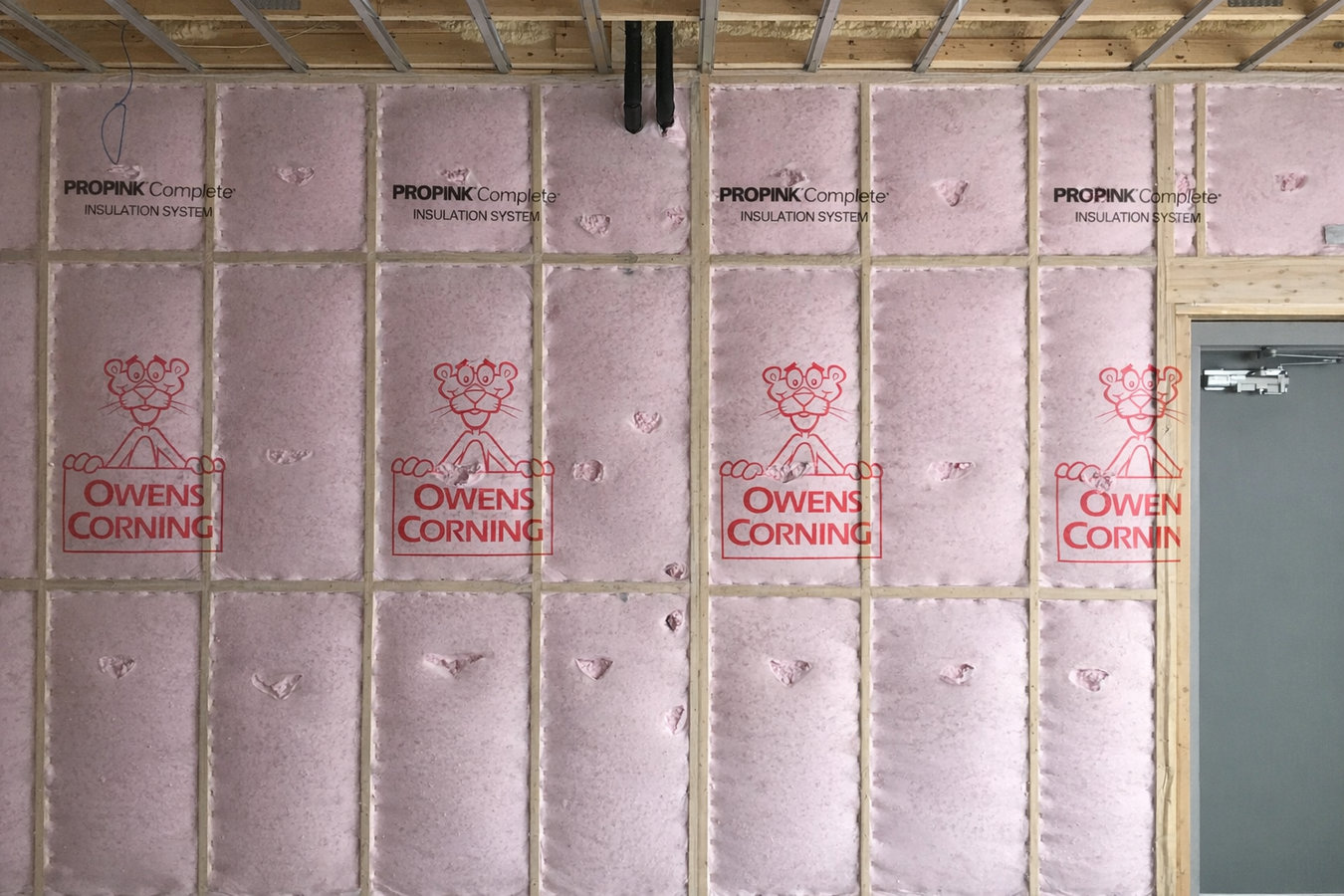
Cold exterior walls and high winter gas bills often mean hollow wall cavities. We fill them without tearing out your drywall, so your home stays comfortable all season long.
Wall insulation in Clinton fills empty or under-insulated wall cavities using blown-in or injection methods, without removing drywall, and most homes are completed in a single day. If one side of your house never quite warms up, the wall cavity behind it is probably the reason - not your furnace.
A large share of Clinton homes were built before the 1970s, when hollow walls were standard. Wall insulation is one of the most direct fixes for that problem - and it pairs well with air sealing services if you want to tackle drafts and heat loss together for a bigger improvement.
The U.S. Department of Energy recommends a total wall R-value of R-13 to R-21 for Iowa homes. Learn more about insulation R-values from the DOE.
If your gas bill from December through February feels out of proportion to the size of your home, under-insulated walls are one of the most common culprits. Clinton winters are long and cold, and a furnace working against hollow walls will run almost constantly. This is especially true in homes built before 1980, which make up a significant portion of the city's housing stock.
Press your hand against an exterior wall on a cold January day. If it feels cold, the wall cavity is likely empty or nearly empty. Rooms near those walls will always run a few degrees cooler than the rest of the house, no matter how high you set the thermostat.
Hold your hand near an electrical outlet on an exterior wall during a windy winter day. A stream of cool air means the wall cavity behind it is not insulated. Clinton's wind-driven winters make this symptom especially noticeable, particularly in older neighborhoods near the riverfront.
If your home was built before 1975 and you have no record of insulation work being done, there is a strong chance the cavities are empty. Homes throughout Clinton's older neighborhoods were built with standard framing but no insulation fill - it simply was not common practice at the time.
We insulate existing walls using blown-in cellulose or fiberglass, and injection foam - all installed through small drilled holes that are patched and finished when the job is done. Blown-in material is ideal for most standard wood-frame homes, while injection foam is better suited for walls where moisture management is a priority. Both methods work without opening your walls from the inside. If your home also needs spray foam insulation in hard-to-reach areas, we handle that in the same visit.
Wall insulation works best as part of a complete energy plan. Many Clinton homeowners pair it with air sealing services to close the gaps around outlets, pipes, and framing that let drafts in even after the cavities are filled. Ask us about a combined assessment when you call.
Suits most existing wood-frame homes - fast installation with minimal disruption to siding or drywall.
Best for homes where moisture is a concern, offering both thermal performance and moisture resistance in one product.
Ideal when interior walls are finished - work is done from outside and patches are painted to match your siding.
Used when siding cannot be drilled - small holes in drywall are patched and finished to blend in.
Clinton sits in USDA Plant Hardiness Zone 5b, where January lows routinely drop to 10-14 degrees and wind chills push well below zero during polar vortex events. In that kind of sustained cold, a furnace working against hollow walls runs almost constantly - and the extra runtime shows up on your MidAmerican Energy bill every month from November through March. Homeowners in Camanche and DeWitt face the same conditions and see the same results after their walls are properly filled.
Clinton's proximity to the Mississippi River also means higher-than-average humidity, especially in spring and early summer. Moisture that gets trapped in an uninsulated wall cavity can quietly cause mold and wood rot over time. When we insulate walls in Clinton-area homes, we choose materials and methods that account for moisture management - not just thermal performance - so the fix does not create a new problem down the road.
We will ask a few basic questions about your home - its age, size, and what problems you have noticed. Most calls take under ten minutes, and we reply within one business day.
We walk through your home and inspect the exterior walls. We may use a thermal camera to see inside cavities without opening them. This visit takes 30 to 60 minutes, and we explain exactly what we find before we leave.
You receive a written estimate that covers what work will be done, what materials will be used, and the total cost - including whether patching and finishing the drill holes is part of the price.
The crew drills small holes, fills the cavities completely, then patches and finishes each hole. Most Clinton homes are done in a single day. There is no curing time - the benefit starts immediately.
Free estimate. Written quote before any work starts. No obligation.
(563) 206-5767We use thermal imaging to confirm every wall cavity is fully filled - no gaps, no voids. You can see the results before the crew packs up, so you are not trusting a promise you cannot check.
Clinton's pre-1980 housing stock is what we work on every day. We know which wall types need which methods, and we know how to patch and finish drilled holes so the wall looks the way we found it.
The North American Insulation Manufacturers Association sets recognized professional standards for installation density and coverage.{" "}We follow those standards on every job - not just our own rules. See what that means at{" "}naima.org.
We serve all of Clinton County and the surrounding communities across eastern Iowa and western Illinois. That local focus means we understand the climate, housing stock, and permit requirements here - not just general contractor knowledge.
Every wall insulation job we complete is backed by a clear process: free assessment, written estimate, verified installation, and a walkthrough before we leave. That combination is how Clinton homeowners know the work was done right - not just done quickly.
Closes the gaps around outlets, pipes, and framing that let drafts in even after wall cavities are filled.
Learn MoreHandles hard-to-reach areas and irregular cavities where blown-in material is difficult to place.
Learn MoreClinton winters do not wait - lock in your installation date before the cold arrives and the schedule fills up.