
Loading...
Serving Clinton, IA and surrounding areas. (563) 206-5767
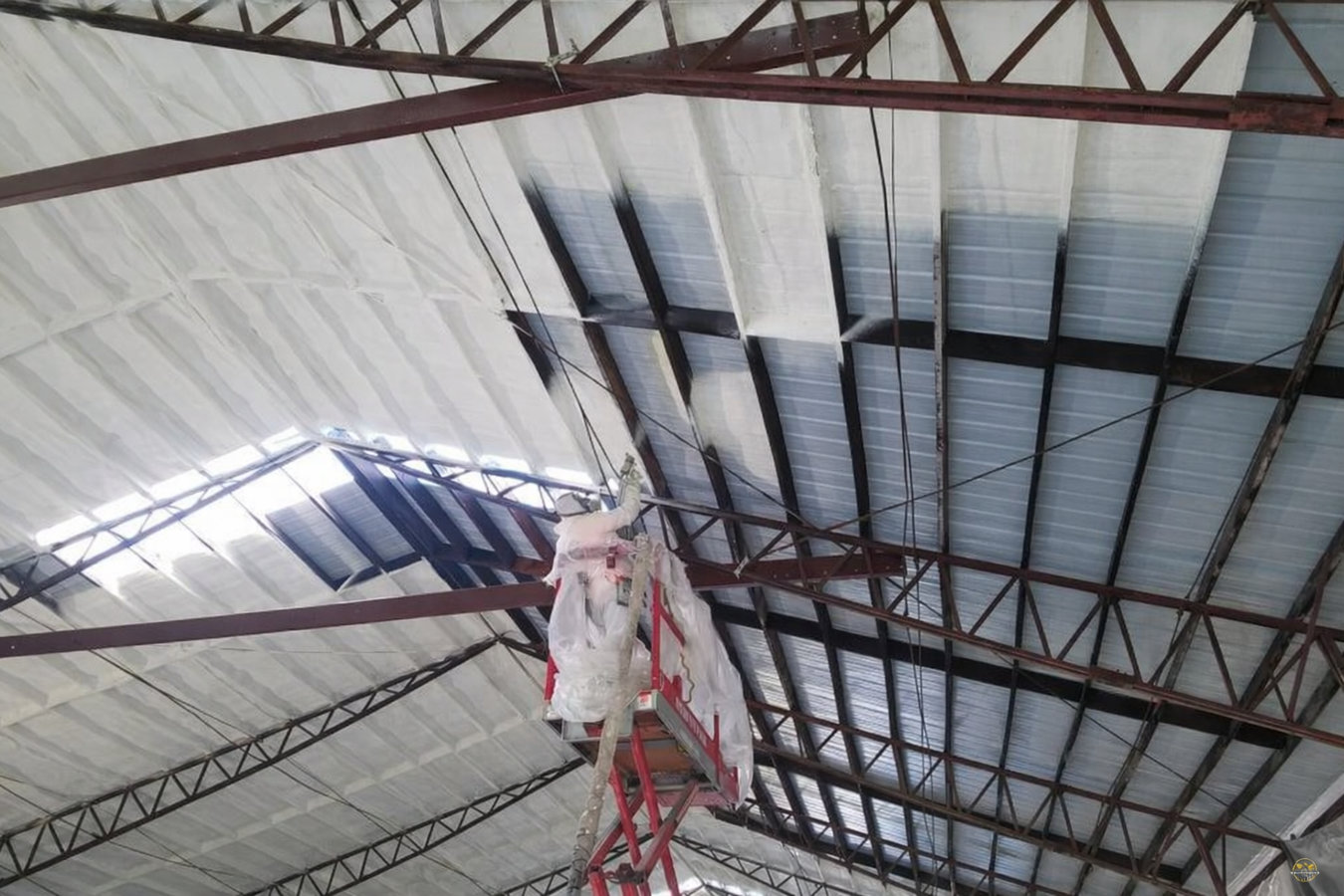
Is your Clinton building losing heat all winter? Proper commercial insulation cuts operating costs, eliminates cold spots, and protects your structure from moisture damage that builds silently over time.
Commercial insulation in Clinton slows heat movement through your building's walls, roof, and floors, and most straightforward projects - such as insulating a warehouse ceiling or office wall cavity - are completed in one to three days.
Clinton businesses face a long heating season that runs from October through April. Every month during that stretch, a poorly insulated building is forcing your heating system to work harder than it should. For buildings constructed before the 1980s - which make up a significant share of Clinton's commercial stock - the insulation inside may have settled, gotten wet, or simply never been adequate by current standards.
If your building has also had water intrusion from heavy rains or river-related flooding, the insulation in affected areas needs to be assessed before anything new goes in. Covering up water-damaged material compounds the problem. We also offer spray foam insulation for hard-to-reach commercial spaces where blown-in material cannot fully close air gaps.
If your gas or electric bills have been creeping up year over year without an obvious change in how you use the building, poor insulation is one of the most common culprits. Heat escaping through walls and ceilings forces your heating system to run harder and longer. In Clinton's winters, that extra effort shows up fast on your utility statement.
Walk through your building on a cold January day and notice where it feels drafty or chilly near walls and ceilings. Uneven temperatures from room to room in older Clinton commercial buildings often point to missing or degraded insulation in specific areas - not a problem with your heating system itself.
Clinton's proximity to the Mississippi River means flooding and water intrusion are real risks for commercial properties in low-lying areas. Water-damaged insulation loses most of its effectiveness and can harbor mold. If your building has experienced any water event, even a minor one, the insulation in those areas needs inspection before the next heating season.
Commercial buildings from before the 1980s were often built with minimal insulation by today's standards. If you own or lease a building in Clinton's older commercial districts and cannot point to a recent insulation project, there is a good chance the existing material has settled, degraded, or is simply no longer adequate for current energy costs.
We work with commercial building owners and managers throughout the Clinton area to assess what insulation is currently in place and recommend the most cost-effective upgrade for each building's construction type and budget. For older buildings with hard-to-access wall cavities, blown-in insulation is often the right call - it installs through small holes that are patched afterward, avoiding demolition. For warehouse ceilings, mechanical rooms, and large open areas, we use batt or blown-in materials that cover efficiently and meet Iowa's commercial energy code requirements.
Where air sealing is the main issue - gaps around penetrations, rim joists, or hard-to-reach building envelope transitions - we can pair insulation with crawl space vapor barrier installation and spray foam insulation to give you a complete building envelope solution, not just a surface-level fix. Every project starts with an honest on-site assessment.
Best for older Clinton buildings with inaccessible wall cavities where installing without major demolition is the priority.
Suited for warehouse ceilings, new construction framing, and large open commercial areas where coverage and cost efficiency matter most.
Ideal for sealing hard-to-reach penetrations, rim joists, and building envelope transitions where air leakage is the primary energy loss.
For buildings with water-damaged or degraded material that must come out before new insulation can perform correctly.
Clinton sits in a cold climate zone where Iowa's energy code sets higher insulation requirements for commercial buildings than in warmer states. That is not just a regulatory formality - it reflects the reality that your building is fighting serious cold from October through April every year. Many of Clinton's commercial buildings were constructed in the early-to-mid 20th century, well before modern insulation standards existed. If your building is more than 40 years old and has never had an insulation upgrade, the material inside may not be doing much for you anymore. A contractor who installs to a lower standard than Iowa requires is leaving you with higher heating bills every single winter.
The Mississippi River adds a moisture dimension that does not apply to commercial buildings in drier parts of Iowa. Spring and summer humidity works its way into building envelopes over time, and moisture is one of the biggest enemies of insulation effectiveness. Business owners in Morrison, IL and Fulton, IL face the same river-corridor conditions, and vapor management is part of any complete insulation assessment we do along this stretch of the river.
We reply within one business day. A brief conversation about your building type, size, and what is prompting the call helps us come prepared - no starting from scratch on arrival.
We walk through your building to look at what is currently in place, identify problem areas, and take measurements. This is your chance to flag anything you have noticed - cold spots, past water events, or areas employees have complained about.
You receive a written estimate breaking down the work, materials, and total cost. We will not pressure you to sign on the spot - take time to compare it against other quotes and ask about anything that is not clear.
Most commercial jobs are completed in one to three days. In most cases your business can stay open - we work in attic spaces, mechanical rooms, and wall cavities that are out of your daily flow, and section off the work zone to contain dust.
No obligation. We reply within one business day and come to your site before quoting anything.
(563) 206-5767We will not recommend more work than your building actually needs. If the existing insulation is doing its job, we will tell you that. A straight answer about what is in your walls is worth more than a sales pitch about what could be there.
Clinton's downtown and older commercial corridors include buildings from the early-to-mid 20th century. We understand the access challenges, construction types, and permit requirements specific to this building stock - which means fewer surprises during the project.
For commercial projects that require a permit through the City of Clinton's Building Department, we handle the paperwork and make sure the work is inspected correctly. You will not find out later that a step was skipped.
We follow North American Insulation Manufacturers Association installation standards - the industry benchmark for material performance and installation quality. That means your insulation is installed the way it is designed to work, not the way that is fastest.
We work with building owners and property managers who want the job done right without a runaround. Clear scope, fair pricing, and work that passes inspection - that is the standard we hold ourselves to on every commercial project.
Vapor barrier installation for commercial and residential crawl spaces to control moisture from Clinton's river-adjacent humidity.
Learn MoreSpray foam for sealing hard-to-reach gaps and penetrations in commercial building envelopes where blown-in material cannot reach.
Learn MoreClinton winters don't wait - lock in your project now before cold-season schedules fill up and you spend another winter paying for heat that escapes through uninsulated walls.