
Loading...
Serving Clinton, IA and surrounding areas. (563) 206-5767
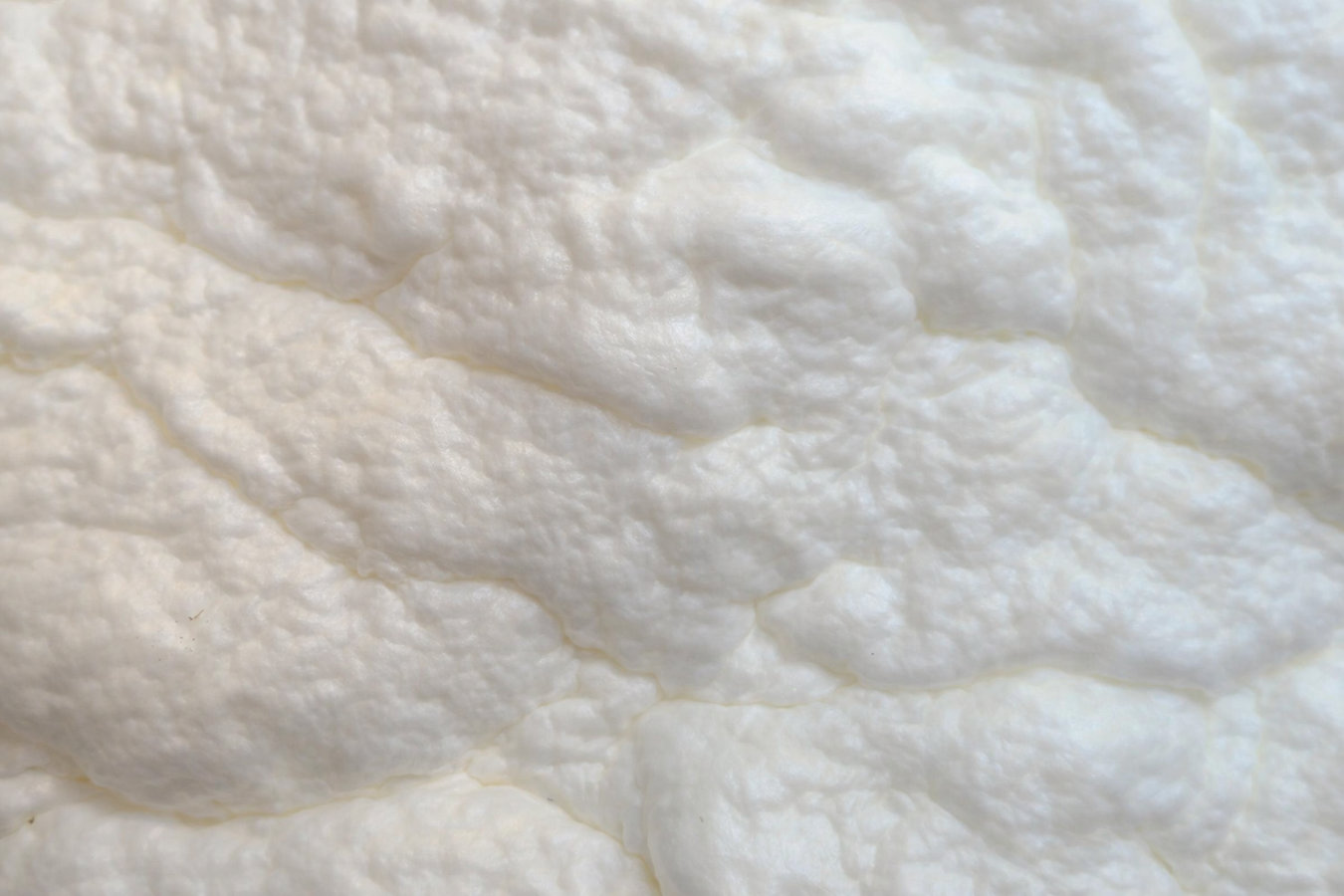
Tired of cold rooms and high heating bills? Open-cell foam fills every gap in your walls and attic, creating a tight seal that keeps Clinton winters where they belong - outside.
Open-cell foam insulation in Clinton fills wall cavities, attic framing, and rim joists with a lightweight expanding foam that seals air gaps and slows heat loss, and most residential jobs are finished in a single day.
Clinton homes - especially those built before 1970 - were often constructed with little to no wall insulation. The result is drafts near exterior walls, rooms that never quite warm up, and heating bills that climb every November regardless of what you do with the thermostat. Open-cell spray foam adapts to irregular cavities and old framing that fiberglass batts simply cannot fill cleanly.
If your home also has unprotected crawl spaces or a damp basement rim joist, pairing foam insulation with air sealing services gives you a complete thermal envelope rather than a partial fix. We assess both during every estimate.
If your gas bill jumps sharply when Clinton temperatures drop and stays elevated through March, your home is losing heat faster than it should. A properly insulated home holds warmth longer, so your furnace cycles less. Letting this continue means paying for heat that never makes it to your living spaces.
In older Clinton homes, cold air near electrical outlets on exterior walls or in upstairs bedrooms points to missing or degraded insulation. The cold is not coming through the glass - it is coming through gaps in the wall cavity that allow outside air to circulate freely. One persistently cold room is usually enough to confirm the problem.
Clinton sits on the Mississippi River, and summer humidity is persistent here. A musty or damp smell in your attic or crawl space during July and August means moisture is getting in and not escaping - a sign your air sealing and insulation are not doing their job. Left unaddressed, that moisture can lead to mold and wood damage that costs far more to fix.
Thick ridges of ice along your roofline after snowfall mean warm air is escaping through your attic and melting snow unevenly. The meltwater refreezes at the cold eaves and can back up under shingles, causing leaks inside. Ice dams are a direct symptom of inadequate attic insulation and air sealing - and they are common in Clinton's freeze-thaw winter cycle.
We install open-cell spray foam in attics, wall cavities, rim joists, and interior surfaces where air leakage is the primary problem. Open-cell foam is the practical, cost-effective choice for most above-grade applications in Clinton homes - it expands to fill irregular spaces, creates a continuous air barrier, and adds real sound-dampening value as a bonus. If your home has road or rail noise from Highway 30 or the rail corridor running through Clinton, the difference after insulating exterior walls is noticeable.
For spaces where moisture control matters more - crawl spaces, below-grade walls, or exterior rim joists - we also offer commercial insulation solutions and can pair open-cell foam with closed-cell foam insulation in the same project when the location calls for a denser, moisture-resistant product. We recommend the right material for each specific area rather than applying one solution everywhere.
Best suited for homeowners with drafty upstairs rooms or ice dam history who want a complete air seal above their living space.
Ideal for older Clinton homes with original wall framing where batts leave gaps around pipes, wiring, and irregular studs.
Suited for homes with cold basement ceilings or floors above an unheated space, where heat escapes at the foundation-wall junction.
A practical choice for homes near busy roads or the rail corridor where reducing interior noise is as important as energy savings.
Clinton sits in USDA Hardiness Zone 5b with a heating season that runs from October through April and winter lows that regularly fall well below zero. That means your home's thermal envelope - the barrier between your living space and the outside - is under constant stress for nearly half the year. Many homes in Clinton's established neighborhoods were built between the 1890s and 1960s, long before modern insulation standards existed. If you have never had insulation work done, there is a good chance your walls are losing heat in ways you cannot see but absolutely feel on your utility bill.
The Mississippi River adds another layer of complexity. Clinton's proximity to the river means summer humidity is consistently higher here than in drier parts of Iowa, and that moisture finds its way into under-insulated attics and crawl spaces. Homeowners in Camanche and DeWitt face similar conditions - and the same combination of cold winters and seasonal humidity that makes a continuous air barrier more valuable than loose-fill insulation alone. We factor in both temperature and moisture when we assess your home.
We reply within one business day. You will speak with someone who can answer basic questions about your home and schedule an on-site visit - no automated runaround.
We walk through the attic, walls, rim joists, or wherever insulation is needed. We check what is already there, note any moisture issues, and measure the spaces. There is no charge for this visit and no obligation to book.
You receive a written estimate that specifies where the foam will be applied, how thick it will be, and the total cost. Compare it against any other quotes on scope, not just price.
Most Clinton homes are completed in one day. We will tell you exactly when it is safe to re-enter the treated spaces - typically within 24 hours - and do a final walkthrough before we leave.
Free estimate. No pressure. We reply within one business day.
(563) 206-5767Good foam work means even coverage with no thin spots, gaps, or places where the foam pulled away from framing. We do a visible walkthrough before any drywall goes back up - you can see for yourself that the coverage is complete.
A large share of Clinton's housing stock predates 1960. We know the wall cavities, framing irregularities, and access challenges that older homes present - and we plan our installations around those realities, not against them.
Clinton's Mississippi River location makes humidity a real factor. We evaluate each home for moisture exposure and tell you honestly whether foam alone is sufficient or whether a vapor barrier should be part of the solution.
We follow Spray Polyurethane Foam Alliance guidelines for application quality and safety - the same standards used to evaluate professional contractors nationally. That means consistent thickness, proper re-entry timing, and work you can verify.
Every job starts with an honest assessment and a written quote that tells you exactly what you are getting. We want you to be confident before work starts - not just after.
Insulation solutions for Clinton-area commercial buildings, from warehouse ceilings to office wall cavities.
Learn MoreDenser, moisture-resistant foam for crawl spaces, below-grade walls, and areas where vapor control is critical.
Learn MoreFall booking slots fill fast - reach out now before the cold-weather rush hits and schedules fill up.