
Loading...
Serving Clinton, IA and surrounding areas. (563) 206-5767
Clinton Insulation provides insulation contracting throughout Eldridge, IA, covering wall insulation, attic upgrades, spray foam, vapor barrier installation, and air sealing for a community made up mostly of suburban single-family homes built between the 1970s and 2000s. We have served Scott County homeowners since 2018 and understand what Eldridge properties need to stay warm through eastern Iowa winters and dry through wet spring seasons.
Every service below addresses what Eldridge homes actually deal with - suburban construction from the 1970s through 2000s, flat terrain with drainage challenges, freeze-thaw cycles that stress concrete and foundations, and original insulation that is now 20 to 50 years old.
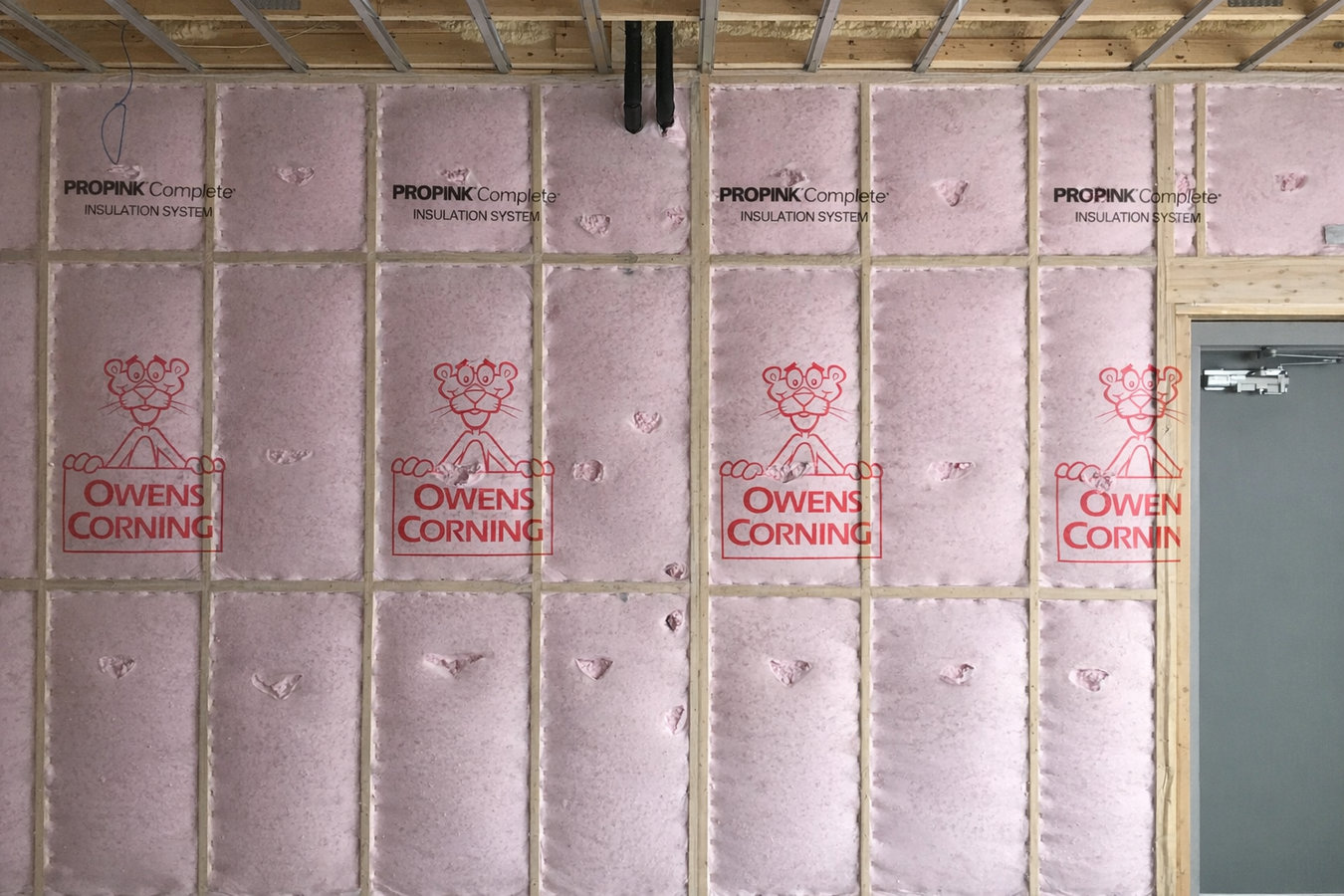
Many Eldridge homes built in the 1970s and early 1980s were constructed with hollow wall cavities - insulation simply was not standard practice in suburban Iowa construction at the time, and some homes from the 1990s were insulated only to the minimum code of that era. Our wall insulation service fills those cavities without opening your drywall, using blown-in or injection foam that packs the space completely so cold no longer moves through your exterior walls.
Eldridge homes from the 1990s and early 2000s are hitting the age where original attic insulation has settled, compressed, and been disturbed by HVAC and electrical work over the decades. Iowa winters put constant pressure on under-insulated attics, and adding depth while sealing air leaks around fixtures is the most effective way to reduce heating bills and eliminate cold spots on the top floor.
Eldridge sits on flat terrain where spring snowmelt and heavy rain can pool near foundations before draining. Closed-cell spray foam on basement rim joists and walls creates a moisture barrier alongside the insulation layer - protecting the basement envelope from the wet-spring conditions that are common in Scott County and that fiberglass batts are not equipped to handle.
Full basements are standard in Eldridge homes, and uninsulated rim joists and concrete walls are the main path cold air uses to enter the living floors above. Insulating the basement perimeter keeps the first floor noticeably warmer through the Iowa heating season and reduces the load on your furnace without touching anything above ground.
Homes built in the 1980s and 1990s accumulate air leaks over the decades - around attic bypasses, recessed lights, plumbing penetrations, and wherever HVAC contractors drilled through framing. Sealing those leaks before adding insulation is what makes the upgrade actually work, because it stops heated air from escaping the living space before insulation ever has a chance to slow it down.
Scott County spring seasons bring heavy rain and sustained moisture that can move into crawl spaces and basement areas if the floor is bare. A properly installed vapor barrier stops ground moisture from migrating upward into floor joists, subfloor, and insulation above - protecting the investment in any insulation upgrade and extending the life of the structural framing.
Eldridge is a growing suburban community in Scott County with a population of around 7,500 people. The bulk of the housing stock was built between the 1970s and the 2000s as the city expanded east of Davenport. Most homes are single-family ranch-style, split-level, or two-story colonial houses on standard suburban lots - a mix of construction eras that means insulation quality varies significantly from street to street. Homes built before 1985 were often constructed with hollow or minimally filled wall cavities. Homes from the 1990s were insulated to code at the time, but those standards were lower than what the U.S. Department of Energy recommends today, and original materials have had 25 to 30 Iowa winters to settle and degrade. Scott County winters see temperatures below 0°F with regular freeze-thaw cycles from November through March.
The flat terrain that characterizes Eldridge creates a specific drainage challenge for homeowners. Spring snowmelt and heavy rain arrive at the same time, and on flat lots that water has limited places to go quickly. Homes where the grading around the foundation has settled over the decades see water pooling near basement walls every spring. Severe thunderstorms are a regular occurrence in the Quad Cities area, including Eldridge, and hail damage to roofing and siding drives a steady wave of exterior repair calls each year. Insulation that accounts for both the thermal and moisture demands of this specific environment holds up longer and performs better than work done without that local context in mind.
Our crew works throughout Eldridge and the surrounding Scott County area regularly. The homes we most often see in Eldridge are suburban single-family houses built in the 1980s through 2000s - a housing type with its own specific characteristics. These homes have attached two-car garages as a standard feature, and the garage apron and driveway concrete is one of the first things to crack after a few seasons of Scott County freeze-thaw cycles. Most homes have full basements and relatively standard attic access, which makes insulation work more straightforward than in older construction - but the original insulation depth in many of these homes is still well below what an Iowa winter actually demands.
Eldridge is served by the North Scott Community School District, which draws families from Eldridge and the surrounding rural area and is one of the main reasons families choose to settle here long-term. The city sits just east of Davenport on Highway 61, with most residents commuting into the broader Quad Cities metro for work. Residential streets are primarily grid subdivisions with larger lots in the newer areas on the north and east edges of town. We also regularly serve homeowners in Le Claire, IA, just up the river, and are familiar with the Scott County conditions that affect insulation work throughout this part of eastern Iowa.
We also serve homeowners in DeWitt, IA, to the northwest in Clinton County, giving our crew a broad familiarity with the range of housing stock and seasonal conditions across this part of eastern Iowa. If you are in Eldridge or the surrounding area, we can typically schedule an assessment within a few days of your call.
Call or submit our contact form and we will reply within 1 business day. We will ask about your home - age, size, what you have been noticing with comfort or energy costs - so we arrive at your home prepared rather than starting from scratch.
We visit your home and check the attic, walls, and basement areas - measuring what is already there and identifying air leaks that need sealing before insulation goes in. This takes 30 to 60 minutes and is free. You receive a written estimate before any work is scheduled - no verbal quotes, no surprises.
Most Eldridge jobs are completed in a single day. We air seal first, then install the insulation in the target areas. If we are insulating walls, we drill small access holes, fill the cavities, and patch them before we leave. You do not need to vacate the home at any point during the work.
Before packing up, we walk you through the work - showing you what was done and where. The insulation is effective immediately. Most homeowners notice improved comfort within the first heating or cooling cycle, and the energy bill improvement shows up in the months that follow.
Serving Eldridge and Scott County. Free written estimates. We reply within 1 business day of your call or message.
(563) 206-5767Eldridge is a city of around 7,500 residents in Scott County, Iowa, located just east of Davenport in the Quad Cities metro area. It is primarily a residential community - families move here for the schools, the suburban pace, and the access to the broader metro while living in a smaller town setting. Most of Eldridge is made up of single-family homes on standard suburban lots, with a mix of ranch-style homes, split-levels, and two-story colonials spread across neighborhoods that were developed decade by decade from the 1970s through the 2000s. Homeownership rates are high, and most residents are long-term owners who invest in keeping their properties in good shape.
The newer subdivisions on the north and east edges of Eldridge sit on what was once farmland and have larger lots than the older in-town neighborhoods closer to the center of the city. Homes in these newer areas were built mostly in the 1990s and 2000s and are now at the age where original roofing, exterior finishes, and insulation are due for their first serious attention. The community is anchored by the North Scott schools and Eldridge City Park, which make it a recognizable hub for families across the area. We serve homeowners throughout Eldridge and are also regularly working in Bettendorf, IA, just to the south, giving our crew broad familiarity with Scott County housing conditions from one end of the county to the other.
Seal gaps and maximize energy efficiency with professional spray foam.
Learn MoreStop drafts and energy waste by sealing air leaks throughout your home.
Learn MoreHigh-density foam that delivers superior moisture and air barrier performance.
Learn MoreCommercial-grade insulation for businesses, warehouses, and retail spaces.
Learn MoreBlock ground moisture from entering your home through the crawl space.
Learn MoreProfessional vapor barrier installation to control moisture and mold risk.
Learn MorePrevent conditioned air from escaping through attic gaps and penetrations.
Learn MoreClinton Insulation serves Eldridge and Scott County. Call now or submit a request online and we will reply within 1 business day.