
Loading...
Serving Clinton, IA and surrounding areas. (563) 206-5767
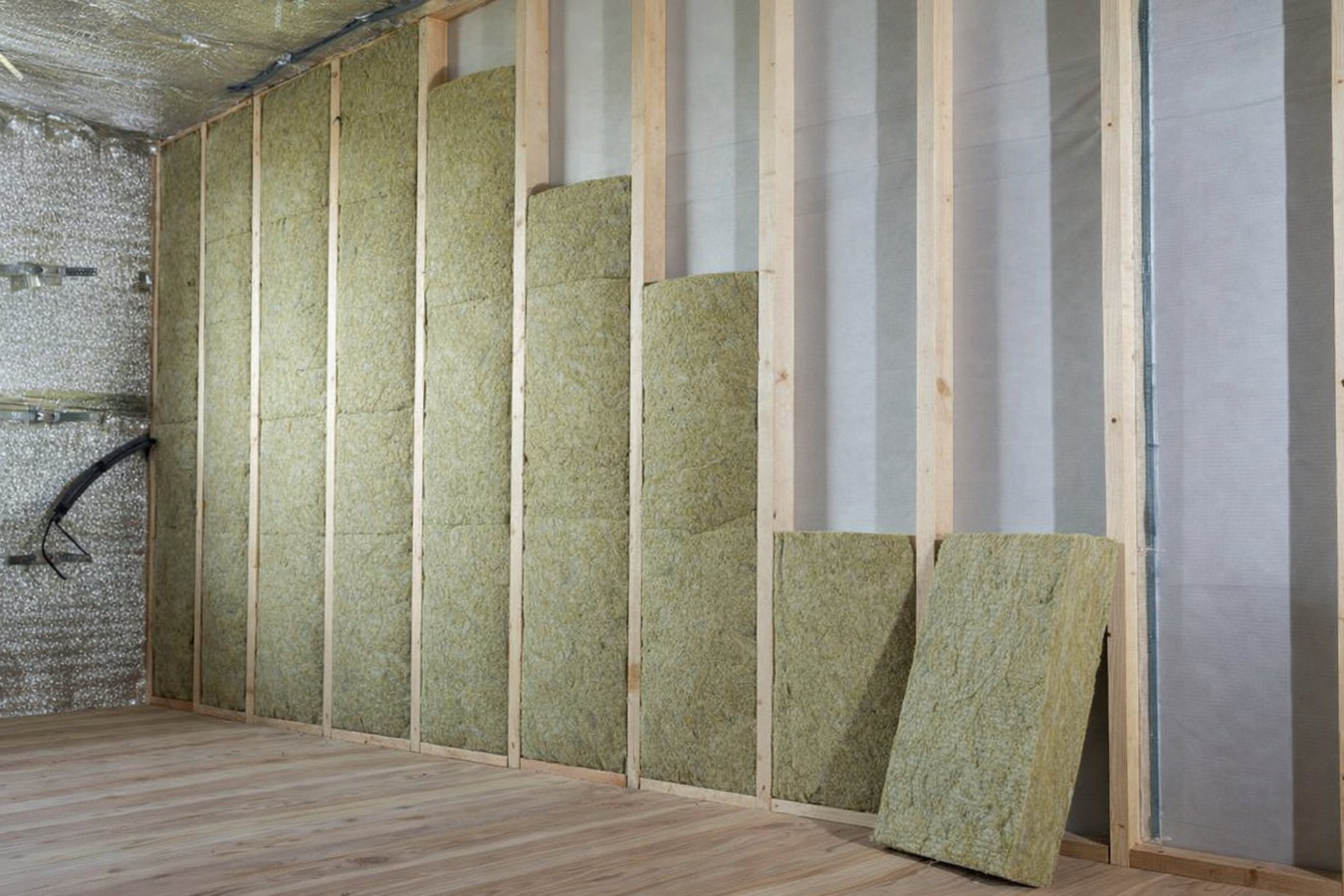
Cold floors, high heating bills, and pipes at risk of freezing - these are signs your Clinton basement is not insulated well enough. We fix that with the right materials for Iowa winters.
Basement insulation in Clinton, IA creates a barrier between your living space and the cold, damp air below - most jobs take one to two days from start to finish and cover rim joists, foundation walls, or both depending on your home.
Clinton winters push furnaces hard. When cold air rises from an uninsulated basement, your first floor stays chilly no matter how high you set the thermostat. Many homes in Clinton were built decades before modern insulation standards existed, so the basement may have little or nothing protecting it. Pairing basement insulation with crawl space insulation covers the full underside of your home and makes the biggest difference in whole-house comfort.
If you have noticed cold floors in winter, rising heating bills, or pipes that have come close to freezing during a hard Clinton cold snap, those are clear signals to act. The sooner insulation goes in, the sooner your home starts holding heat.
If walking across your first floor in socks during a Clinton winter feels noticeably cold, that is often cold air rising from an under-insulated basement below. This is especially common in Clinton's older homes where little or no insulation was installed when the house was built. The fix is usually straightforward, and the difference you feel underfoot is immediate.
Clinton winters are long and cold. If your bills feel unusually high even compared to similar homes on your street, poor basement insulation is one of the first things worth checking. Cold air pushes up from below, forcing your furnace to run longer than it should. An insulation contractor can do a quick assessment to tell you whether your basement is the culprit.
Condensation or damp spots on basement walls - especially in spring when the ground thaws near the Mississippi River - need attention before insulation goes in. Left unaddressed, trapped moisture behind insulation creates mold. If you see water stains, white chalky deposits, or smell a musty odor, mention it to your contractor before any work begins.
If you have had a pipe freeze in your basement during a hard Clinton winter, that is a direct sign the space is not insulated well enough. Frozen pipes can burst and cause serious water damage, and the risk grows every year the basement stays uninsulated. Insulating the walls and sealing air gaps around pipes is one of the most effective ways to prevent this.
We handle the full range of basement insulation work - from sealing rim joists with spray foam to covering foundation walls with rigid board or batt insulation. Every job starts with air sealing the gaps and cracks that let cold in before any material goes up. If a contractor skips that step, the insulation alone will not stop drafts. We also offer closed-cell foam insulation for basement walls and rim joists where maximum moisture resistance and R-value per inch matter most.
For homes where the crawl space and basement share a wall or floor, combining basement work with crawl space insulation gives you the most complete coverage under your home. We walk you through the right approach for your specific house - not a one-size-fits-all recommendation - so you spend your money on what will actually make a difference.
Best for any Clinton home losing heat and cold air at the band between the foundation wall and the first floor - one of the most overlooked air leak points.
Ideal for finished or frequently used basements where you want the whole lower level to stay warm through the winter.
A practical choice for unfinished basements where the goal is keeping the floors above warm rather than conditioning the basement space itself.
The right starting point for older Clinton homes with drafty basements - seals gaps first, then adds insulation for a complete thermal upgrade.
Clinton sits along the Mississippi River in eastern Iowa, where average January lows regularly drop into the single digits and wind chills can push well below zero. That kind of cold puts enormous pressure on an under-insulated basement - your furnace works overtime, your floors stay cold, and your heating bills climb month after month. A significant portion of Clinton's homes were built before modern insulation standards, many dating to the early and mid-1900s, so the problem is widespread. Homeowners we work with in Camanche often find their older homes were built with the same gaps Clinton homeowners face.
Clinton's location on the Mississippi also means the local water table can be high, and basement moisture is a common problem throughout the area - especially after spring thaws. Before insulation goes in, any signs of seepage or dampness need to be addressed. A contractor who works regularly in Clinton will know to check for this first. Customers in DeWitt face similar older-home challenges and see the same kind of improvement after a proper basement insulation job.
When you reach out, we ask a few basic questions - the size of your basement, whether it is finished or unfinished, and whether you have noticed moisture. We reply within one business day to schedule a site visit.
We visit your home to look at the basement in person - checking walls, looking for moisture, and assessing how air moves in and out. This visit usually takes 30 to 60 minutes and is your chance to get a clear picture of what is needed.
The crew seals gaps and cracks first, then installs insulation. Most jobs take one full day, though larger basements may run into a second. The work is not particularly loud or disruptive.
We walk you through the finished work before we leave so you can see exactly what was done. If a permit was required, we handle the inspection process and give you documentation for your records.
Free estimate. No pressure. We reply within one business day.
(563) 206-5767Clinton's proximity to the Mississippi River means basement moisture is a genuine risk. We check for moisture before anything goes in, and if we find a problem, we tell you honestly rather than hiding it behind new material. This protects your investment from day one.
Good insulation work starts with finding and sealing gaps where air sneaks in. We include air sealing as a standard part of every basement insulation project - not an add-on. Skipping it is the most common contractor shortcut, and it is one we never take.
We work throughout Clinton County and into the surrounding communities. Our crews are familiar with the older housing stock common in this part of eastern Iowa and know what to expect in basements built across different decades.
We follow installation guidelines from the North American Insulation Manufacturers Association, which sets the benchmark for correct installation across all major insulation types. This means the work is done to a documented standard, not just our own judgment.
Every one of these points comes back to the same thing - you get a job done right the first time, with no shortcuts and no surprises. That is the standard we hold ourselves to on every Clinton basement insulation project.
More questions? Call us or send a message and we will get back to you within one business day.
A rigid, moisture-resistant foam that delivers high R-value per inch - well suited for Clinton basement walls and rim joists exposed to ground humidity.
Learn MoreCovers the under-floor area adjacent to many Clinton basements, completing the thermal barrier from below the living space.
Learn MoreClinton winters come fast - lock in your installation before the cold sets in and the schedule fills up.