
Loading...
Serving Clinton, IA and surrounding areas. (563) 206-5767
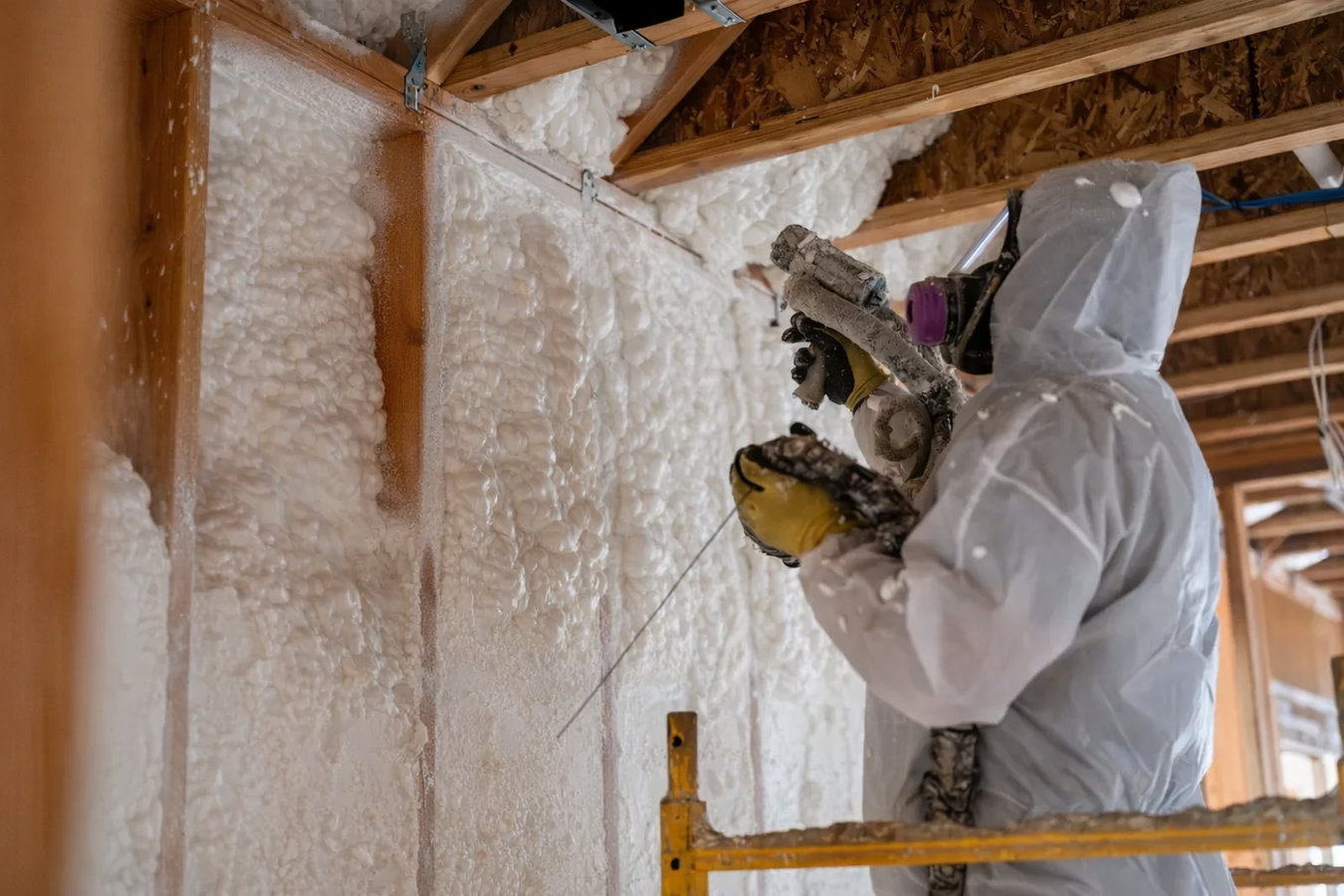
Clinton winters are hard enough without underpowered insulation. We upgrade your attic, walls, and crawl space without tearing out anything.
Retrofit insulation in Clinton means adding blown-in, spray foam, or batt insulation to a home that is already built - filling attic floors, wall cavities, and crawl spaces without tearing anything out. Most jobs on a single-family home take one to two days from start to finish, and you stay home throughout.
A large share of Clinton's housing stock was built before the 1970s, when insulation standards simply did not exist. Many homes in areas near downtown and along the river have hollow wall cavities and minimal attic coverage that have never been addressed. If your home is over 40 years old and has no record of insulation work, there is a good chance it is the first time the house will have any real thermal protection.
Retrofit insulation works best when paired with air sealing so both problems are solved together. Consider combining this with our home insulation service for a whole-home approach, or start with attic coverage and add other areas over time. We also offer spray foam insulation where a higher-performance material is the right fit.
If your gas or electric bill jumps dramatically in the coldest months without a change in habits, heat is likely escaping faster than your furnace can replace it. Clinton's long winters mean your system runs hard for months. A consistent seasonal spike is one of the most reliable signals that insulation is thin or missing in key areas.
In older Clinton homes with uneven or missing wall insulation, you feel the difference room by room. A north-facing bedroom may stay cold all winter while a south-facing room is comfortable. This unevenness is a classic sign that insulation has settled, thinned, or was never there in the first place.
Hold your hand near an electrical outlet on an exterior wall on a cold day. If you feel a draft, air is moving through an uninsulated wall cavity. This is especially common in Clinton's pre-1940 homes, where wall cavities were often left completely empty. It is a simple check any homeowner can do.
Step into your attic on a hot July afternoon or a cold January morning. If the temperature feels dramatically different from the rest of the house, your attic insulation is likely inadequate. A properly insulated attic should moderate temperature swings throughout the year - not amplify them.
Every retrofit insulation job starts with a thorough in-home assessment - we measure what is already there, check for moisture or wiring issues, and identify the areas that need the most attention. We air seal around pipes, wires, and fixtures before any insulation goes in, because adding material on top of gaps without sealing first is one of the most common ways a project falls short of its potential.
For attic floors, blown-in loose-fill is the most common approach and can be completed quickly without disrupting your living space. For wall cavities, we use a dense-pack process that fills the cavity through small holes that are patched cleanly when we are done. We also pair retrofit work with home insulation services for homeowners who want to address the whole house at once, and with spray foam insulation in areas where a higher-density material is the right fit. For moisture-prone areas, we coordinate with our vapor barrier installation work before insulating.
Best for homes with under-insulated attic floors - fast to install, highly effective, and no disruption to living areas below.
Suits older Clinton homes with hollow exterior walls - dense-pack material fills cavities through small holes that are patched and finished.
Ideal for homeowners who want attic, walls, and crawl space addressed together to maximize comfort and capture the full rebate and tax credit value.
Clinton sits in Climate Zone 5, which means the Department of Energy recommends attic insulation levels significantly higher than what most older homes in the area were built with. Winters here regularly bring extended stretches below 10 degrees, and the gap between what an older Clinton home has and what it should have is often larger than homeowners expect. Clinton's older housing stock - built during the late 1800s and early 1900s lumber boom - was constructed with hollow wall cavities and minimal attic protection that was never revisited.
The Mississippi River corridor also adds a humidity factor that matters when insulating. Contractors who know Clinton understand they need to check for moisture conditions before putting any material in, because insulating a damp space without addressing it first can lead to problems. We serve homeowners throughout the area, including communities like Camanche and Le Claire , where the same combination of old homes and river-corridor humidity creates the same retrofit insulation needs. The federal government outlines the recommended insulation levels for our climate zone at energy.gov.
We ask a few basic questions about your home and what you have been experiencing. We reply within one business day and can usually schedule an in-home visit within the week - no need to prepare anything in advance.
We measure existing insulation levels, check for moisture and any wiring concerns, and identify what areas need the most attention. The visit takes 30 to 60 minutes. If we find knob-and-tube wiring that needs an electrician first, we tell you upfront before any work is scheduled.
You receive a clear written estimate and a straight explanation of what we recommend and why. We will tell you whether your project qualifies for utility rebates through MidAmerican Energy or Alliant Energy and how the federal tax credit applies - no pressure to decide on the spot.
Most jobs take one full day. We air seal first, then install the insulation material. Before leaving, we walk you through the finished work and provide documentation for your rebate and tax credit paperwork.
Free in-home estimate. No pressure. We reply within one business day.
(563) 206-5767A large portion of Clinton's homes were built before modern insulation standards existed. We know the hollow wall cavities, the plaster construction, and the older wiring that comes with homes of that era. We identify what needs to be addressed before we start, not after.
Putting insulation on top of a leaky envelope is one of the most common ways retrofit projects fall short. We seal around every penetration before any material goes in, so the insulation can do its full job rather than compensating for gaps that were never closed.
Both MidAmerican Energy and Alliant Energy offer rebates for qualifying insulation work, and the federal tax credit through the ENERGY STAR program can reduce your cost further. We know these programs and will help you document everything correctly.
Clinton's position on the Mississippi River means humidity is a real factor. We check for moisture conditions before any insulation goes in, because adding material to a damp space without addressing the moisture first is a mistake that costs far more to fix down the road.
We have been working in Clinton's established neighborhoods long enough to know what these homes need, and we do not skip the steps that determine whether a retrofit project actually delivers. When we are done, you will have documentation of what was installed for your rebate and tax filings.
Higher-density spray foam for attics, crawl spaces, and hard-to-reach areas where blown-in is not the best fit.
Learn MoreA whole-home insulation assessment and installation covering every area that affects your comfort and energy costs.
Learn MoreUtility rebates and federal tax credits are available now - act before the heating season fills our schedule.