
Loading...
Serving Clinton, IA and surrounding areas. (563) 206-5767
From attic to crawl space, under-insulated homes in Clinton work their furnaces harder and cost more to heat every winter. We assess the whole picture and fix what needs fixing.
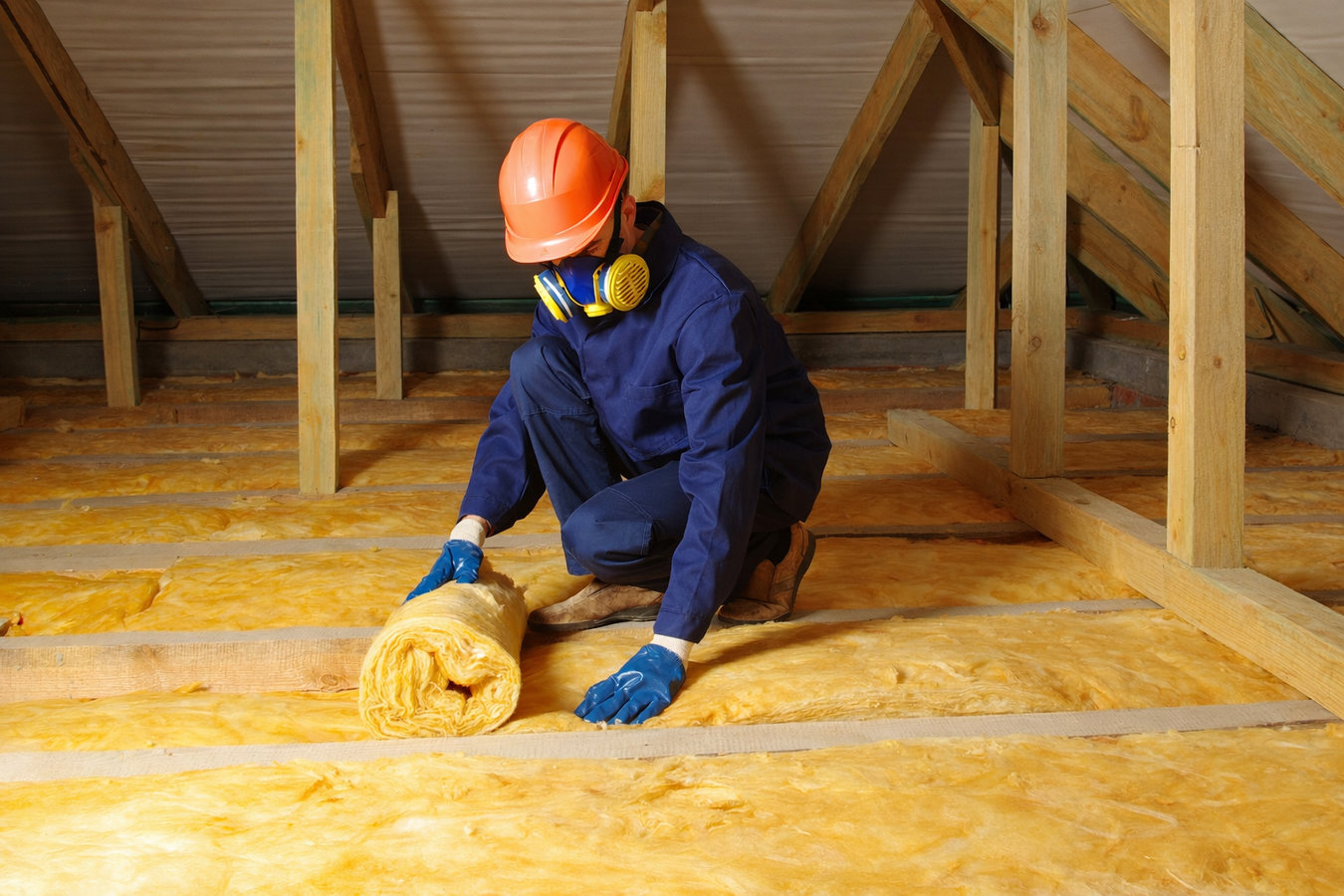
Home insulation in Clinton covers every part of your house where heat can escape - attic, walls, crawl space, and basement - and most whole-home assessments are completed in a single visit with a written estimate the same day.
A large share of Clinton's homes were built before modern insulation standards existed. Mid-century construction and earlier often has little or no wall insulation, and whatever was put in the attic has likely compressed or degraded over decades. When a home is under-insulated, the furnace runs constantly, rooms never quite reach the right temperature, and the utility bill reflects it every month from November through March.
Home insulation is not a single product - it is an assessment of your entire building envelope. If your attic is the priority, our insulation removal service handles existing damaged material before new insulation goes in. For homes going through a broader renovation, our retrofit insulation option covers adding insulation to walls and floors without a full teardown.
If your gas or electric bill climbs sharply from November through March and you cannot explain why, heat loss through under-insulated walls, attic, or floors is one of the most common causes. Clinton winters are long and cold, and a home that is not well sealed works its furnace much harder than it should have to.
Cold floors - especially in rooms over a crawl space or above an unheated garage - are a reliable sign that the floor cavity below is not insulated. This is a common issue in Clinton's older housing stock, where crawl spaces were often left unaddressed for decades and the cold air underneath works its way into your living space.
If one bedroom or a room above the garage is always colder than the rest of the house, that area is not getting the insulation coverage it needs. In older Clinton homes, wall insulation was often installed unevenly or not at all in certain sections, and the comfort difference is something you can feel without any special equipment.
Homes built before modern energy codes were adopted were insulated to a much lower standard than what is recommended today. If you live in a Clinton home built before 1980 and cannot recall any insulation work being done, there is a reasonable chance you are still running on whatever was installed at construction - which is likely not enough.
We cover every part of the home where insulation makes a difference. Attic insulation is the highest-return upgrade in most homes, so we start there - measuring current depth, checking ventilation, sealing air leaks, and then adding blown-in or batt material to bring the space up to the recommended level. For homes where the existing insulation is wet, compressed, or damaged, we pair this with our insulation removal service before anything new goes in.
Below the living space, crawl spaces and basements are two of the most overlooked areas in Clinton's older homes. An uninsulated crawl space lets cold air settle under your floors all winter. An uninsulated basement rim joist - the framing where the floor meets the foundation wall - is a consistent heat leak that spray foam addresses well. For homes going through renovations or additions, our retrofit insulation work covers adding insulation to existing wall cavities without removing drywall in most cases. The right combination depends on your specific home, and we lay it all out in your written estimate.
The highest-impact starting point for most Clinton homes - blown-in or batt, with air sealing included.
Best for homes with cold floors and uninsulated crawl spaces, which are common throughout Clinton's older neighborhoods.
Drill-and-fill or retrofit methods for walls that were never insulated or where original insulation has settled.
Rim joist sealing and floor-to-ceiling basement insulation for homes where the lower level is a major source of heat loss.
Clinton's winters are genuinely cold - temperatures regularly fall well below freezing from November through March, and the city sits in a climate zone where the U.S. Department of Energy recommends attic insulation levels significantly higher than what most pre-1980 homes actually have. The older housing stock throughout Clinton's established neighborhoods - much of it built during the city's manufacturing and lumber eras - was constructed to the standards of its time, which fall well short of current recommendations. Because these homes vary so much, every project starts with a free written assessment of what your house actually needs before any work begins. Our experienced local crews know how these neighborhoods are built and document the work from start to finish.
We serve homes throughout the Clinton area, including DeWitt and Camanche. These communities share the same climate conditions and older-home challenges as Clinton, and the same whole-home approach applies. According to the U.S. Department of Energy, properly insulating and air-sealing your home can reduce heating and cooling costs meaningfully - and in a Clinton winter, that adds up fast.
We respond within 1 business day. The first conversation covers the basics - your home's age, what areas concern you, and what you have been noticing. No pressure, no obligation, and you are talking to someone who actually works in the Clinton area.
We walk through your home and look at every area that matters - attic, crawl space, walls, and basement. We check what is already there, look for signs of moisture or damage, and measure what you have. You get a written estimate before we leave.
The crew arrives with the right equipment for the scope of work. We seal air leaks before adding any material. Most single-area jobs are done in a day. Whole-home projects may take two to three days - we tell you the timeline in your estimate so you can plan.
When the work is done, we walk you through what was completed and give you written documentation of what was installed and where. This record is useful if you apply for a utility rebate or if you ever sell your home and a buyer asks about insulation work.
Free written estimate covering every area of your home. We respond within 1 business day.
(563) 206-5767Our crews know the local housing stock and how these homes are built. You get a free written estimate before you sign anything, and we coordinate any permit the job needs so the work is documented from day one.
We do not recommend the same solution to every homeowner. We look at what is already in your attic, your crawl space, and your walls before suggesting anything. A good assessment means the work you pay for is the work your specific home actually needs.
Clinton's humidity and freeze-thaw cycles mean that adding insulation on top of a hidden moisture problem is a real risk. We check for wet or damaged insulation and address moisture issues before any new material goes in - so you are not paying to cover up a problem that will get worse.
Your written estimate covers scope, materials, and cost before we schedule anything. The ENERGY STAR program recommends homeowners get a written scope of work before any insulation project - we do this on every job so you know exactly what you are getting and can compare it against other estimates fairly.
Taken together, these practices mean you get insulation work done correctly the first time - by a contractor who looked at your home before recommending anything, checked for problems before covering them up, and left you with documentation you can use for years after the job is done.
Old, wet, or pest-damaged insulation removed safely before new material is installed - a necessary first step when existing insulation has failed.
Learn MoreAdding insulation to existing walls and floors in older homes without a full teardown - ideal for renovations and whole-home upgrades.
Learn MoreEvery week before the heating season starts is a week your home is losing heat it does not have to - call today and get a free whole-home estimate.