
Loading...
Serving Clinton, IA and surrounding areas. (563) 206-5767
Clinton Insulation delivers professional insulation contracting to Fulton, IL, with blown-in insulation, attic work, crawl space moisture control, and spray foam for a community where most homes were built before World War II. We have served Fulton-area homeowners since 2018, and we know what century-old houses on the Mississippi need to stay comfortable through an Illinois winter.
Every service below is shaped by what Fulton homes actually deal with - old wood-frame construction, river moisture, hard winters, and a housing stock where many properties have never had an insulation upgrade.
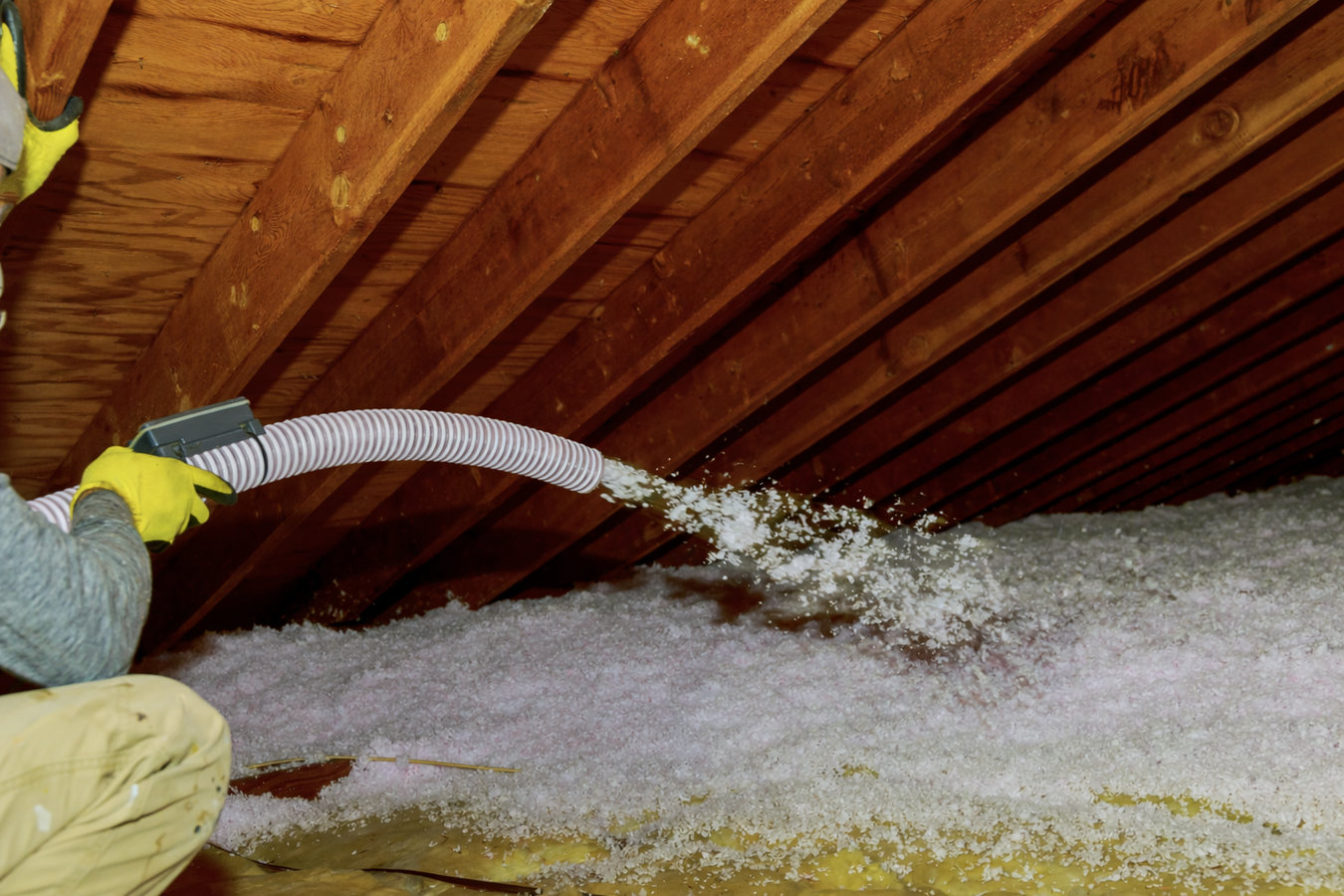
Fulton homes with plaster walls, finished attic spaces, and a century of settled framing are ideal candidates for blown-in insulation - it fills irregular spaces without demolition. Our blown-in insulation service brings older attics up to proper depth in a single day, with no disruption to the rest of the home.
Fulton winters bring 25 to 35 inches of snow and temperatures that regularly drop to single digits. Ice dams on older homes are common when attic insulation is thin and heat escapes unevenly through the roof deck. A properly insulated attic cuts that heat loss at the source.
For Fulton homes near the levee and riverfront - where the soil stays wet in spring and basement walls face ongoing moisture pressure - closed-cell spray foam on rim joists and foundation walls is the most durable insulation choice available. It seals, insulates, and resists moisture in one step.
Older Fulton homes with crawl spaces often have floor insulation that has sagged away from the joists over decades, leaving the floor cavity open to cold air all winter. Re-insulating the crawl space stops cold floors and reduces heating demand in the rooms directly above.
Homes in Fulton's lower-lying streets have ground moisture working against them every spring. A vapor barrier installed in the crawl space or basement stops that moisture before it reaches the floor structure, protecting wood framing and reducing indoor humidity throughout the year.
A century-old Fulton home has had many hands working on it over the decades - and that usually means gaps around pipes, wiring, and attic bypasses that let heated air escape. Sealing those leaks before adding insulation is the step that makes everything else work better.
Fulton was platted in the 1830s, and a large share of the city's housing was built before World War II. These are wood-frame homes, most of them over 80 years old, and they carry the insulation - or lack of it - that was standard when they were built. Northwest Illinois winters are hard: average January lows drop to the single digits, frost penetrates 30 inches or more into the ground, and the area typically receives 25 to 35 inches of snow per season. A home that was built with the energy standards of 1920 or 1940 is not equipped for that kind of cold, and the heating bills make that clear every January and February.
Fulton's position directly on the Mississippi River adds a moisture challenge that inland Illinois communities rarely deal with at the same scale. Parts of the city sit within or near the river's floodplain, and the Army Corps of Engineers levee system protects the town - but the soil around lower-lying homes stays saturated for weeks in spring. That moisture pushes against foundation walls, works into crawl spaces, and can saturate older insulation until it stops performing. The right insulation strategy for a Fulton home has to account for both the thermal challenge and the moisture environment, especially for properties south of downtown near the riverfront.
Our crew works throughout Fulton regularly, and we understand the local conditions that affect insulation work here. Fulton's homes sit close together on modest in-town lots - the kind of tight residential pattern typical of a small Mississippi River town. Access for equipment is sometimes limited, and older homes often have original plaster walls, narrow attic hatches, and framing that does not match modern dimensional lumber. We have worked on enough Fulton homes to know what to expect before we even walk through the door.
Fulton's most recognized landmark is the De Immigrant windmill on the riverfront, and the city's Dutch heritage is visible in the well-kept character of its neighborhoods. Long-term residents here take care of their properties, and we work with homeowners who want the job done right - not just patched until next winter. Whether your home is a few blocks from the windmill or out toward the north side of town, we know Fulton's streets and the kinds of homes that are here. We also serve homeowners in Morrison, IL to the south, so our crew is familiar with the housing stock and conditions throughout this part of northwest Illinois.
Reach out by phone or through the contact form. We will follow up within one business day, ask a few questions about your home and what you have been experiencing, and schedule an estimate at a time that works for you.
A crew member comes to your Fulton home, checks the attic depth, inspects the crawl space or basement, and looks for air leaks and moisture. This visit is free, takes about an hour, and you will get a written estimate before anyone leaves. No cost pressure, no obligation.
The crew arrives with all equipment and material. We seal air leaks first, then install insulation to the agreed coverage. Most attic jobs in Fulton finish in a single day. You can stay home - the work is contained, and cleanup happens before we leave.
When the work is complete, we walk you through the finished job and hand you documentation of what was installed. That record is useful for utility rebate applications and for when you are ready to sell the home and a buyer asks about the insulation.
Clinton Insulation serves Fulton, IL with free on-site estimates and no-pressure recommendations for homes of every age. Call us or fill out the form and we will get back to you within one business day.
(563) 206-5767Fulton is a small city of about 3,100 people sitting directly on the Mississippi River in Whiteside County, Illinois. The city has a strong Dutch immigrant heritage - visible in the well-kept character of its neighborhoods and celebrated each spring during the Dutch Days festival. The most recognized landmark is the working De Immigrant windmill on the riverfront, built in the Netherlands and reassembled here as a symbol of the community's roots. Fulton's residential streets are made up mostly of single-family homes on modest in-town lots, many of them two-story wood-frame structures with front porches that reflect the building style of the late 1800s and early 1900s.
The majority of Fulton's housing stock dates to before World War II, and a significant share was built before 1920. Homeownership rates are high, and long-term residents who have lived in the same house for years or decades make up much of the community. The local economy is modest and steady, centered on small businesses and agriculture. Fulton's riverfront location is a point of pride, but it also means that homes in lower-lying areas deal with seasonal moisture pressure from the Mississippi that inland towns simply do not face. Homeowners in nearby Clinton, IA just across the river share many of the same river-town housing challenges, and our crew serves both communities out of the same base of operations.
Seal gaps and maximize energy efficiency with professional spray foam.
Learn MoreStop drafts and energy waste by sealing air leaks throughout your home.
Learn MoreHigh-density foam that delivers superior moisture and air barrier performance.
Learn MoreCommercial-grade insulation for businesses, warehouses, and retail spaces.
Learn MoreBlock ground moisture from entering your home through the crawl space.
Learn MoreProfessional vapor barrier installation to control moisture and mold risk.
Learn MorePrevent conditioned air from escaping through attic gaps and penetrations.
Learn MoreClinton Insulation provides free estimates throughout Fulton and the surrounding area. Call us or get in touch online and we will respond within one business day.