
Loading...
Serving Clinton, IA and surrounding areas. (563) 206-5767
Your attic is the single biggest source of heat loss in most homes. Blown-in insulation fills every gap, cuts your heating bills, and keeps your rooms comfortable from November through March.
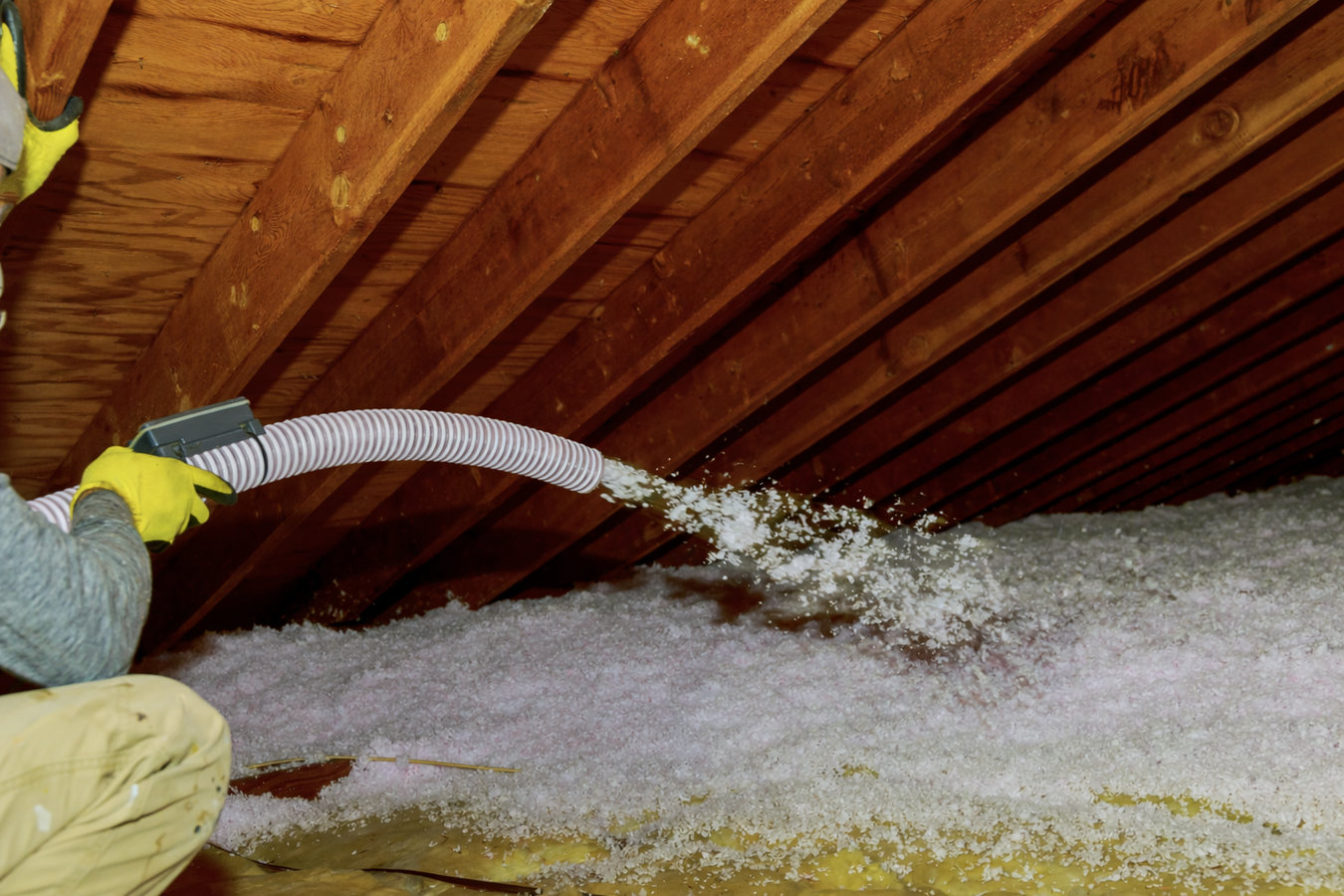
Blown-in insulation in Clinton involves a contractor using a large hose to fill your attic floor with loose fiberglass or cellulose material, covering every corner and gap, and most jobs for a standard attic are completed in a single day.
Clinton homes - especially those built before 1980 - often have thin or compressed attic insulation that was adequate decades ago but falls well short of what is recommended for Iowa winters today. When heat rises and escapes through an under-insulated attic, your furnace runs harder and your rooms never quite reach the temperature on the thermostat. That is the problem blown-in insulation solves directly.
If you are also dealing with drafts around windows or walls, pairing this with attic insulation upgrades - including air sealing - gives you the most complete result. We assess both during every estimate visit so you know exactly what your home needs.
If your gas or electric bill climbs sharply from November through March and stays high even when you keep the thermostat steady, your attic insulation is likely the culprit. Clinton winters are long and cold, and heat escapes fastest through an under-insulated attic floor - your furnace just keeps running to replace what is lost.
If you peek into your attic and can clearly see the wooden framing members running across the floor, your insulation level is almost certainly too low for Clinton's climate. Properly insulated attics in this region should have material deep enough that the joists are completely buried and invisible. If you can see the wood, you are losing heat.
If a bedroom or living area near the top of your home never quite warms up even with the heat running, the problem is often above you rather than in your walls. Heat rises and escapes through attic floors that do not have enough insulation. In older Clinton homes this is a very common complaint.
Ice dams - those ridges of ice that build up along the edge of your roof in winter - are a classic sign that warm air is escaping through your attic and melting snow unevenly. Clinton gets enough winter precipitation that ice dams are a real concern, and they can cause water to back up under shingles and damage your ceilings.
The most common application for blown-in insulation is the attic floor. We lay down material to the correct depth for Iowa's climate zone, working from the eaves inward to make sure every section is covered evenly. Before any material goes in, we seal air leaks around light fixtures, pipes, and framing gaps - because insulation alone will not stop drafts. If you are also considering a broader upgrade, we tie this service into our home insulation assessment so you can see your whole house's insulation picture in one visit.
For homes where the existing attic insulation is thin but not damaged, we can add a new layer directly on top - which saves time and cost compared to starting from scratch. For homes where old insulation is wet, compressed, or pest-damaged, we coordinate removal before the new material goes in. We also work on wall cavities using drill-and-fill methods for homes where adding wall insulation is part of the scope. Our sister service attic insulation covers the full range of attic-specific options if your project is primarily focused there.
Best for homeowners who want fast, full-coverage attic insulation without major disruption to their home.
Suited for older homes where walls were never insulated or where existing insulation has settled and left gaps.
A cost-effective choice when you have some insulation already but need to bring it up to the recommended depth.
The most complete package - ideal for homeowners dealing with drafts, ice dams, or high heating bills from multiple causes.
Clinton sits in a climate zone that calls for significantly more attic insulation than most homes built before the 1980s actually have. The city has a large share of mid-20th-century housing - two-story wood-frame homes, brick construction, and older foundations that were built to the standards of their era. Those standards are well below what is recommended today, which means a large share of Clinton homeowners are paying more to heat their homes every winter than they need to. The Mississippi River also brings regional humidity that can affect attic conditions - a contractor who understands the local climate will check ventilation before adding material, not after.
We work across the full Clinton area, including communities nearby. Homeowners in Camanche and Fulton, IL face the same climate conditions and older-home challenges as Clinton residents, and we bring the same approach to every job regardless of which side of the river it is on. Most estimates in these communities can be scheduled within a few days of your call.
We respond within 1 business day. You will talk to someone local - not a call center - and we will ask a few questions about your home's age, what areas concern you, and what you have noticed.
We come to your home, go up into the attic, and measure what is there. We check ventilation and note any air leaks around fixtures or framing. You get a written estimate before we leave - no pressure, no obligation.
The crew arrives with a truck-mounted blowing machine. We seal air leaks first, then guide the hose across the attic floor in sections until everything is covered to the right depth. Most attic jobs are done in three to six hours.
We clean up, walk you through what was done, and give you written documentation of the installed depth. This is useful if you apply for a utility rebate through MidAmerican Energy or Alliant Energy, or if you ever sell your home.
Free written estimate. No obligation. We respond within 1 business day.
(563) 206-5767Our crews have worked on attics and walls throughout the Clinton area and know how these homes are built. You get a free written estimate before anything starts, and we coordinate any permit the job needs so the work is documented from the beginning.
Many of our projects are in the mid-20th-century homes that make up a large share of Clinton's housing stock. We know the irregular framing, the older electrical, and the moisture patterns common in homes that have been here since the city's manufacturing era. That familiarity means fewer surprises on installation day.
A contractor who skips air sealing and just blows in material is leaving a significant portion of the benefit on the table. We seal gaps around fixtures, pipes, and framing before installation on every job - because that step is what separates good work from work that looks done but underperforms.
We give you written documentation of the installed depth and materials used on every project. This matters if you apply for a rebate through your energy provider or if you sell your home and a buyer asks what insulation work has been done. The North American Insulation Manufacturers Association sets the documentation standards we follow.
Blown-in insulation is a long-term improvement - cellulose and fiberglass both last 20 to 30 years when properly installed. Getting it done right the first time means you are not paying to have it corrected later.
A whole-home assessment covering attic, walls, crawl space, and basement - for homeowners who want to address every area at once.
Learn MoreFocused attic work including air sealing, batt replacement, and depth upgrades tailored to your existing attic layout.
Learn MoreClinton winters start in November and do not let up - the sooner your attic is properly insulated, the sooner you stop overpaying to heat your home.